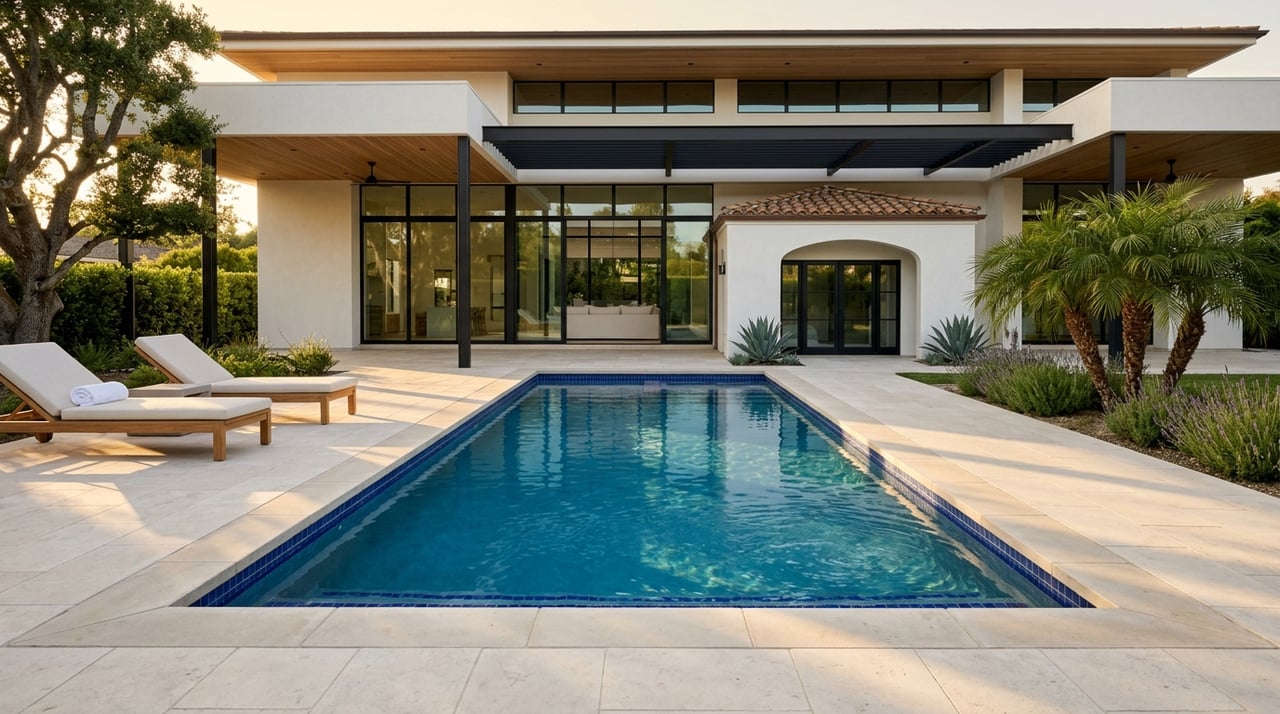
Los Altos Housing Options: Cottages, Ranches, and Estates
Wondering how two homes in Los Altos can feel worlds apart, even when they share the same city address? That is part of what makes this market so interesting. If you are trying to decide between a cottage, a ranch, or an estate-style property, it helps to understand how Los Altos developed and what those home types often mean in practice. Let’s dive in.
Los Altos is a small city with limited land, high home values, and a high rate of owner-occupied housing. According to the U.S. Census Bureau, the city has 31,625 residents, 11,781 housing units, an 81.7% owner-occupied rate, and a median owner-occupied home value above $2,000,000. In just 6.54 square miles, those numbers help explain why lot size, layout, and housing style matter so much.
Los Altos also did not grow from one single development pattern. The city’s historic context shows that its early growth followed a 1906 land acquisition and the 1907 Altos Land Company town plan, with rail service helping commuters move into the area. Because early residential areas were shaped by subdivisions rather than one uniform buildout, today’s housing stock includes a broad mix of sizes, styles, and lot types.
When buyers talk about cottages in Los Altos, they are often referring to older, smaller homes that trace back to the city’s early residential years. The city’s historic inventory notes that from roughly 1907 to 1940, common house types included bungalows, Mission homes, Period Revival styles, Prairie, Italian Villa, and Spanish Colonial Revival. These homes often stand out for their original character and smaller scale.
In practical terms, cottage-scale homes are often tied to older subdivisions where lots may be more compact. The University Avenue neighborhood is one example the city highlights, noting that lot sizes and house scales varied while the overall streetscape remained visually continuous because of the street layout and alleyways. That gives some older areas a distinct rhythm and feel that buyers often notice right away.
Two other historic areas help explain where you may still see smaller homes today. Los Altos Park, subdivided in 1925, includes a variety of small homes on small lots of uniform size. The Loyola area is also described in the historic record as having tiny lots and cottages connected by their shared scale and size.
If you are touring this type of home, a few features tend to stand out:
For some buyers, that smaller scale feels charming and manageable. For others, it may mean less yard space or less flexibility for future expansion. In Los Altos, that tradeoff is often central to the decision.
Ranch homes represent a different chapter in Los Altos housing. These properties are part of the city’s postwar and mid-century development story, and they usually offer a lower, wider profile than older cottages. If you like a more horizontal floor plan and a stronger indoor-outdoor connection, this category may be especially appealing.
The city’s historic evaluation framework notes that properties built within the last 50 years can still be significant as examples of mid-century modernist design or suburban development patterns. That matters in Los Altos because some ranch and mid-century homes are more than simple single-story houses. They may reflect a recognizable design period that still shapes buyer interest today.
One well-known example is the Eichler presence in Los Altos. The Los Altos History Museum reports that Joseph Eichler built almost fifty homes in Los Altos in the 1960s off Fremont Avenue, plus an additional eight-home court off San Antonio Road in the early 1970s. The city’s historic inventory also identifies 960 Berry Avenue as an early ranch house in the area.
Compared with older cottage-style homes, ranches often feel different in a few key ways:
That does not mean every ranch home looks the same. Some are straightforward postwar houses, while others fit more clearly into a mid-century design story. If you are comparing options, it helps to look beyond labels and focus on how the home actually lives day to day.
In Los Altos, “estate” is a useful descriptive term, not a formal zoning label. Buyers and sellers often use it to describe larger homes on larger parcels, especially where the lot size, setbacks, and lower-density setting create a more spacious feel. In a city where land is limited, parcel size can dramatically shape how a property functions.
The city’s General Plan includes Single-Family, Large Lot and Single-Family, One-Acre land-use designations. The zoning code also includes single-family districts such as R1-H, R1-20, and R1-40. According to the current code, R1-H and R1-20 require minimum site areas of 20,000 square feet, while R1-40 requires 40,000 square feet.
That larger-lot framework is one reason some Los Altos properties feel distinctly estate-like. More lot area can mean deeper setbacks, more yard space, and greater separation from neighboring homes. It can also create more room for additions or outdoor amenities, although any plans still need to follow city rules and review requirements.
In everyday terms, estate-style homes in Los Altos often suggest:
It is also important to remember that Los Altos includes smaller legacy lots within its single-family areas. The city’s R1-10 materials say interior lots generally require 10,000 square feet, and the municipal code notes that established small lots from 4,000 to 9,000 square feet exist within the city’s adopted general plan. That mix is part of why Los Altos can offer both cottage-scale and estate-scale living within the same city.
If you are deciding between cottages, ranches, and larger-lot homes, square footage is only part of the picture. In Los Altos, the lot often shapes the experience just as much as the house itself. The city’s residential guidance and historic context suggest that buyers should pay close attention to lot dimensions, setbacks, street pattern, and whether a home sits in a historically sensitive area.
A simple way to think about the comparison is this:
| Home type | Typical feel | What to pay attention to |
|---|---|---|
| Cottage or bungalow | Older, smaller-scale, character-driven | Lot size, original features, renovation limits |
| Ranch or mid-century | Horizontal, practical, often open-feeling | Layout, design era, indoor-outdoor flow |
| Estate-style property | Spacious, lower-density, larger parcel | Lot size, setbacks, yard upkeep, expansion potential |
This is not a formal city classification. It is a practical way to understand how different homes may function for different buyers.
When you tour homes in Los Altos, it helps to look past finishes and staging for a moment. Ask yourself how the lot works, how close neighboring homes sit, and how the street pattern affects privacy, access, and curb appeal. In many cases, those factors have a lasting impact on value and daily use.
You should also keep city review requirements in mind. The city’s Single-Family Residential page says exterior alterations, additions, or new construction in the R1 district are subject to design review. The city’s preservation rules also state that exterior changes to designated historic resources or landmarks require historical review permits.
That means a home’s future flexibility can vary. A smaller cottage on an older lot, a mid-century ranch with design significance, and a large-lot property may each come with different considerations if you plan to remodel, expand, or rebuild. Understanding that early can help you avoid surprises later.
As you compare homes, keep this checklist in mind:
The best fit depends on how you want to live. If you value early architecture, a smaller footprint, and original character, a cottage or bungalow may feel right. If you prefer a one-level layout and a mid-century design sensibility, a ranch could be the better match.
If your priority is more land, more separation, and more room to shape the property over time, an estate-style home may offer the strongest fit. In Los Altos, each option comes with its own tradeoffs, and the right choice usually comes down to how you balance character, space, flexibility, and upkeep.
A thoughtful home search in Los Altos starts with more than price and bedroom count. It starts with understanding how the city’s history, lot patterns, and housing types shape the experience of owning a home here. If you want help comparing properties in Los Altos or planning a move within Silicon Valley, Chalet Kerr offers personalized guidance, clear communication, and full-service support from search to closing.
Stay up to date on the latest real estate trends.
Real estate isn’t just about property — it’s about people. Chalet takes the time to understand your story and guide you home with warmth and integrity.
CHALET KERR | CA DRE# 01975585
750 University Ave Ste 150 Los Gatos, CA 95032