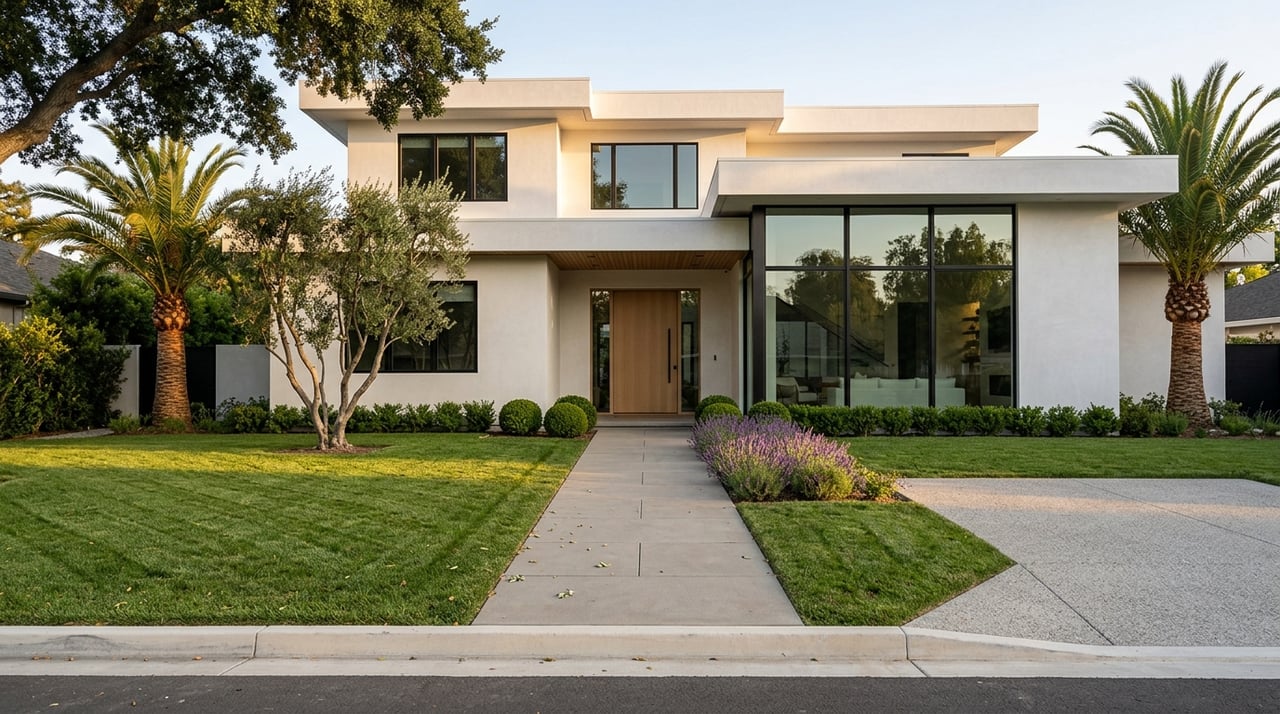
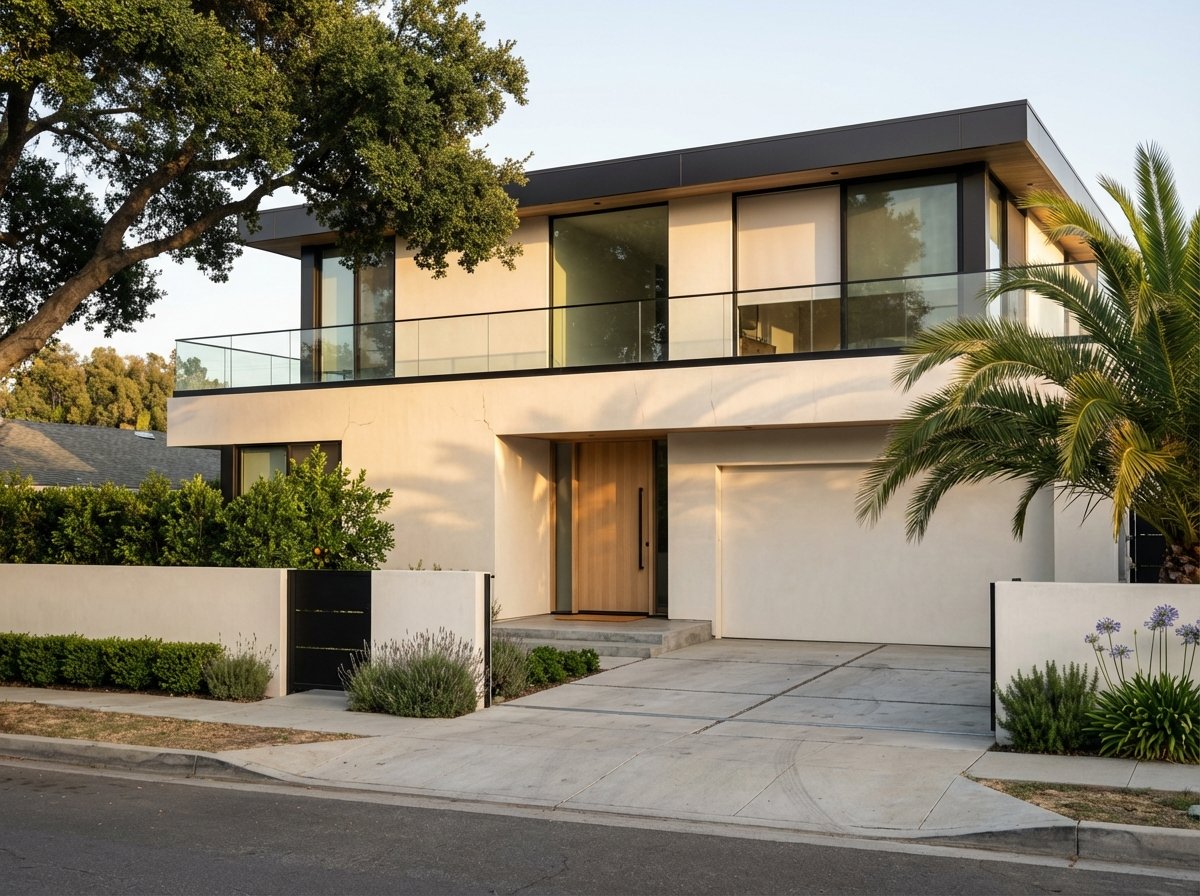
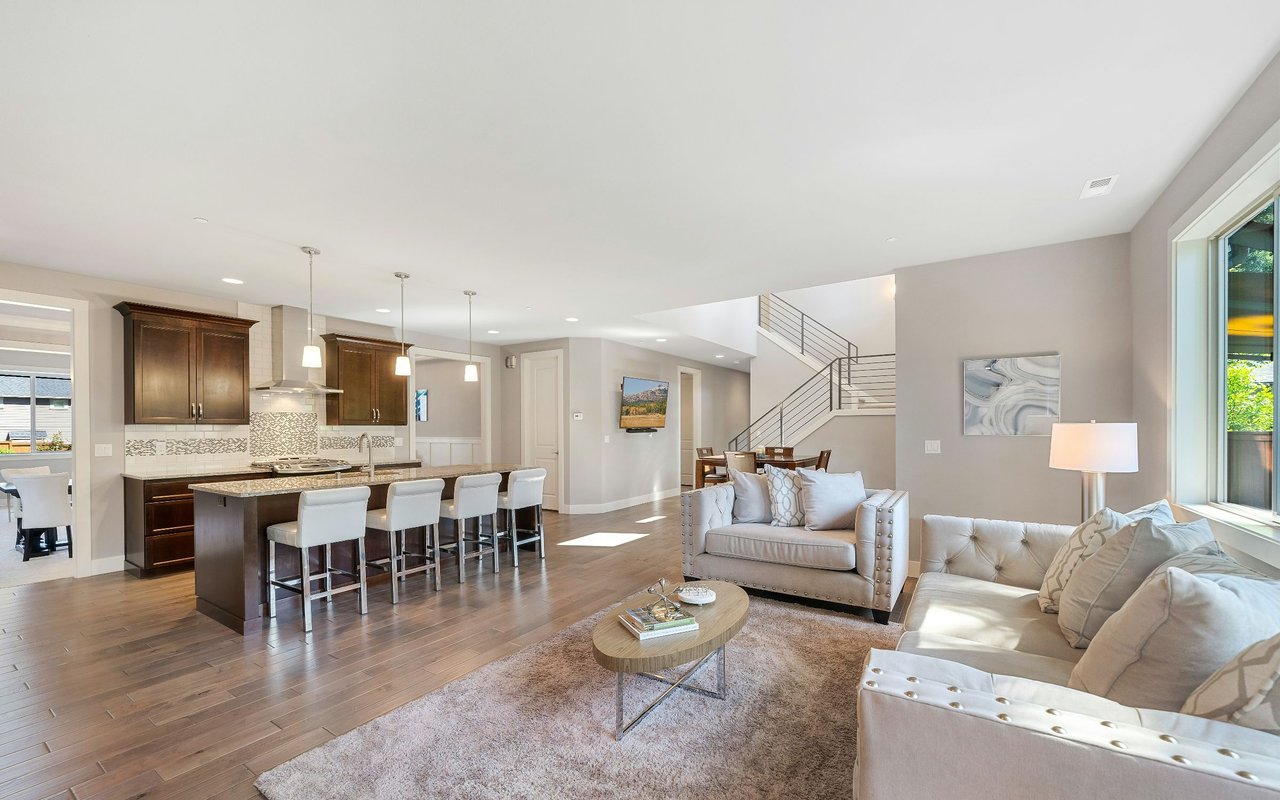
Is your Saratoga home worth more than an online estimate suggests? If you live on a larger lot, enjoy mountain views, or recently completed a permitted remodel, the answer could be yes. In a low-turnover, high-value market like Saratoga, a thoughtful evaluation can uncover premiums that algorithms miss. In this guide, you’ll learn how value is set here, why AVMs often fall short, and what a complimentary, data-driven CMA includes to help you price and time your sale with confidence. Let’s dive in.
How Saratoga value is set
Pricing in Saratoga starts with clean data and local judgment. Because turnover is lower and homes are more unique, you need a careful read on comparable sales, condition, and micro-location. The goal is to anchor your price to recent, relevant evidence and adjust for what makes your property stand out.
Comp selection in Saratoga
Agents prioritize closed sales from the last 3 to 6 months when possible. If your home is unique or inventory is thin, the search can extend 6 to 12 months or more. For village-area properties, comps within roughly a 0.25 to 1-mile radius work well. Estate or hillside properties may require a wider search that stays within similar micro-neighborhoods and lot characteristics.
Your best comps match property type, bed and bath count, square footage, lot size, age, condition, and key features such as ADUs, pools, and views. Active and pending listings reveal your current competition, while expired or withdrawn listings help flag pricing ceilings buyers resisted.
Metrics that matter
Price per square foot is a helpful starting point, but it can mislead when lot sizes or layouts vary widely. Strong CMAs also weigh days on market, the sale-to-list ratio, and months of inventory to understand momentum. When comps are older, time adjustments align past sales with today’s market tempo.
Condition and features
Condition is rarely one-size-fits-all. A simple grading like excellent, updated, livable, or major rehab helps quantify where you sit. In Saratoga, permitted renovations add marketability and appraisal strength, especially for kitchens, baths, ADUs, and seismic or systems upgrades. High-value features include usable acreage, privacy buffers, outdoor living areas, quality landscaping, and mountain views.
Functional challenges matter too. Unusual floorplans, steep or narrow driveways, private road maintenance, or septic systems can reduce the buyer pool and affect value. A good CMA documents these factors with clear, fair adjustments.
Micro-location adjustments
Even within Saratoga, small location differences add up. Proximity to Saratoga Village conveniences and commuter routes can command a premium. Ridge or top-of-hill homes with views often see elevated pricing, while lots near busy corridors or commercial zones can face discounts. Neighborhood rules, HOAs, and CC&Rs shape buyer preferences and should be accounted for.
School boundaries can influence demand. Because assignment lines are precise and can change, your CMA should verify the applicable district and note how similar homes with the same assignment performed recently.
Market timing
Seasonality, mortgage rates, and local inventory cycles all shape your timing. Spring often brings more buyers, but well-prepared listings can succeed year-round when pricing and presentation are aligned. When using older comps, your agent may apply a time adjustment tied to observed appreciation or softening.
Why online estimates miss Saratoga
Automated Valuation Models are quick and helpful as a ballpark, but Saratoga’s diversity of lot sizes, topography, and renovation levels can trip them up. With fewer recent sales in many micro-neighborhoods, these models have less clean data to learn from.
Where AVMs fall short
- They rely heavily on public records and syndicated feeds that may miss recent MLS-only details.
- They struggle with subjective features like privacy, view premiums, and the usability of acreage.
- They may not reflect recent, permitted improvements until records update.
- They do not fully weigh access, topography, or unique layouts.
Common AVM misses locally
- Estate or large-lot homes where privacy, mature landscaping, and outdoor amenities create significant premiums.
- Ridge or mountain-view properties where view quality and access are highly specific.
- Homes with well-documented, permitted ADUs that add functional space and income potential.
- High-end custom remodels with finishes that rarely appear in nearby comps.
CMA vs AVM vs appraisal
- AVM: Algorithmic estimate. Fast and free, but thin on nuance and not strategy-aware.
- Appraisal: Lender-focused opinion that follows strict guidelines. Often conservative, tied to risk.
- CMA: Agent-driven, market-focused opinion that blends hard data with local judgment, marketing competition, and your goals.
What your complimentary CMA includes
A comprehensive Saratoga CMA should be transparent and actionable. Here is what you can expect in a professional package tailored to your property:
- Property summary: Parcel details, square footage, bed and bath count, lot size, year built, known permits, photos, and condition notes.
- Comparable sales: 3 to 6 recent solds with photos, sale dates, price per square foot, distance, and time adjustments when needed.
- Current competition: Active and pending listings that frame buyer choices today.
- Expired/withdrawn examples: Pricing and marketing lessons to avoid.
- Adjustments worksheet: Dollar or percentage adjustments for features like extra bedrooms, ADUs, pools, views, and lot differences.
- Suggested list price range: A recommended list price with a clear rationale, including an aggressive, balanced, or conservative approach.
- Expected performance: A forecast of likely days on market and a sale-to-list outcome based on current conditions.
- Net proceeds estimate: A seller’s net sheet with estimated costs and payoff scenarios so you can plan with clarity.
- Pre-list recommendations: Prioritized repairs, staging and presentation, photography and video plans, and any permit clean-up.
- Marketing outline: A tailored plan to reach Saratoga buyers, from MLS and broker tours to targeted digital and high-net-worth outreach.
- Appraisal checklist: Documents and proof of improvements to support a lender appraisal.
How the CMA shapes pricing strategy
The right number is not just one price. It is a band with distinct strategies based on your goals and your home’s strengths.
- Pricing band: Choose whether to test for a premium, price to maximize eyeballs, or underprice strategically to invite competition. Each path has trade-offs, which your CMA will detail.
- Repair vs price trade-offs: If a few updates unlock more demand, your CMA will estimate potential return versus a straight pricing adjustment.
- Timing guidance: Identify ideal launch windows, avoid holiday lulls when appropriate, and track mortgage rate shifts or inventory changes.
- Marketing intensity: Allocate resources to match the opportunity. For special or estate properties, elevated marketing can amplify a small premium into meaningful net proceeds.
Preparing to maximize value
Set the stage before you list. A bit of prep can mean stronger offers and smoother escrow.
- Gather documentation: Deed, recent title report, permits, septic or sewer records, surveys, and a list of improvements.
- Pre-list inspection: Identify issues buyers will flag and decide whether to repair, credit, or price accordingly.
- Permit verification: Confirm permits for major work or explore options for retroactive permits.
- Curb appeal and landscaping: Saratoga buyers respond to privacy, outdoor living areas, and usable yard space.
- Engage early: A local agent can coordinate timelines, vendors, and presentation so launch day lands cleanly.
Red flags and local checks
- Unpermitted additions or accessory structures that complicate valuation and lending.
- Hillside, erosion, or wildfire risk disclosures that require careful documentation.
- Private road maintenance responsibilities that affect perception of ongoing costs.
- Sewer versus septic and any well systems, with maintenance histories if relevant.
- HOA or CC&Rs and how they shape use and cost considerations.
Considering a refinance?
A CMA is not just for selling. If you are planning a refinance or a remodel funded by equity, it can help you align decisions with likely appraised value.
- Value estimate: Understand where your current loan-to-value might land before you apply.
- Appraisal-aligned comps: See the same recent closed sales a lender appraiser might consider, documented clearly.
- Remodel prioritization: Identify which projects are most likely to improve value in Saratoga’s buyer pool.
Next steps
If you are thinking about selling this year or simply want clarity for future plans, request a complimentary Saratoga CMA. You will see the comps, the adjustments, and the strategy behind the number, along with a clear pre-list roadmap. With bilingual English and Mandarin service and access to Compass Concierge for pre-sale preparation, you will have a local, hands-on partner to manage the process from pricing to presentation.
Ready to learn what your Saratoga home is worth? Schedule a free, no-pressure consultation with Chalet Kerr.
FAQs
How accurate are online estimates for Saratoga homes?
- They are a ballpark starting point, but in low-turnover, diverse markets like Saratoga, algorithms often miss premiums for views, privacy, usable acreage, and recent permitted upgrades.
What comps matter most when pricing a Saratoga home?
- Recent, nearby closed sales that match property type, size, lot characteristics, condition, and key features like ADUs or pools, plus active and pending listings that show current competition.
How do school boundaries affect Saratoga home values?
- Assignment can influence buyer demand, so your CMA should verify the applicable district and compare against similar homes with the same assignment using recent sales.
When is the best time to list a home in Saratoga?
- Spring often brings more activity, but the right preparation, pricing, and presentation can drive strong results year-round, especially when inventory is limited.
What does a complimentary CMA include for Saratoga sellers?
- A property summary, recent and adjusted comps, current competition, pricing strategy, days-on-market expectations, a net sheet, pre-list recommendations, and a marketing plan.
How can a CMA help with a refinance in Saratoga?
- It estimates current market value, aligns you with likely appraisal comps, and highlights remodels that could add measurable value before you apply.