Leave a Message

Thank you for your message. I will be in touch with you shortly.

Los Gatos vs Saratoga: Compare Lifestyle, Commute & Budget

Choosing between Los Gatos and Saratoga can feel like comparing two great options that offer different strengths. You might love the idea of a lively, walkable downtown, but also want a quieter neighborhood feel, easy commutes, and outdoor access. In this guide, you’ll get a clear comparison of lifestyle, commute routes, housing types, and price band expectations, plus practical touring plans and a same-day decision framework. Let’s dive in.

Big-picture differences

Los Gatos sits at the base of the Santa Cruz Mountains with a compact, busy downtown and a mix of housing types that include condos, small-lot homes, classic older neighborhoods, and hillside estates. Saratoga is a small city just northwest with a quieter, village-like downtown and a strong emphasis on single-family living across larger lots. Both sit in the West Valley commute zone and offer access to major Silicon Valley corridors.

If you thrive on downtown energy and dining variety, Los Gatos is typically the fit. If you prefer a more private, estate-style neighborhood feel, Saratoga often stands out. Your best choice depends on how you weigh lifestyle, commute routing, and budget.

Housing and price bands

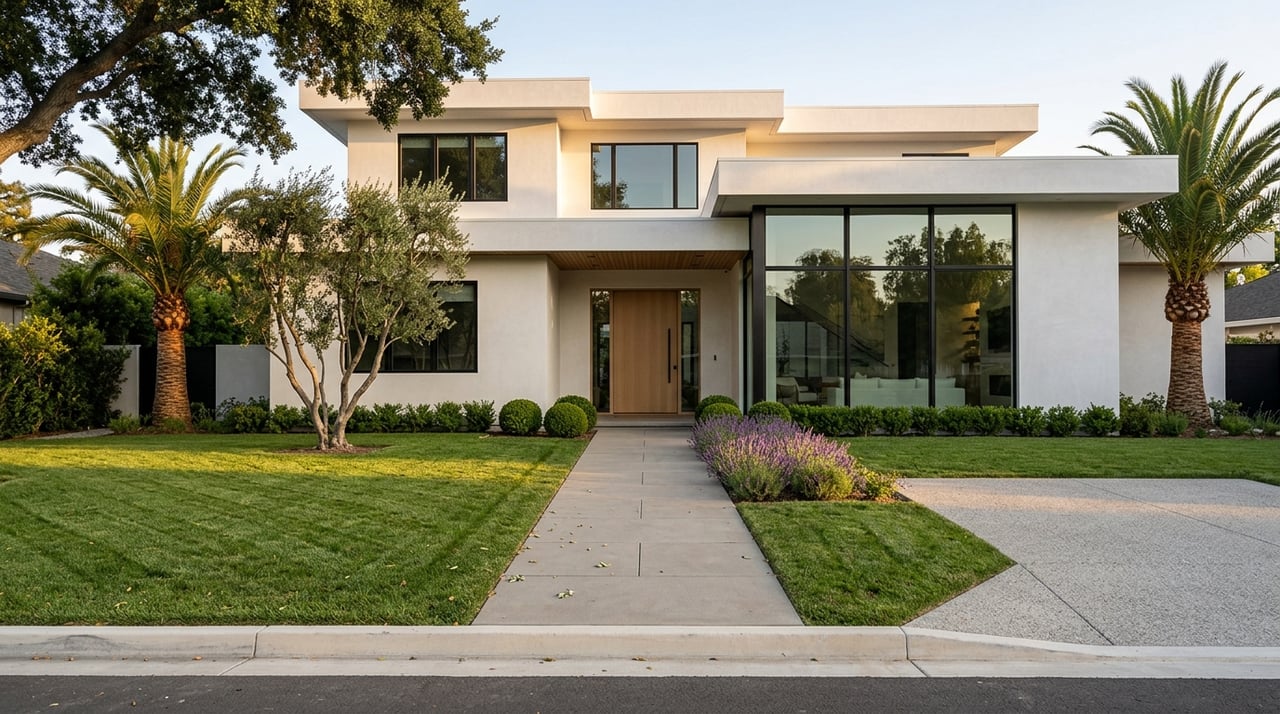
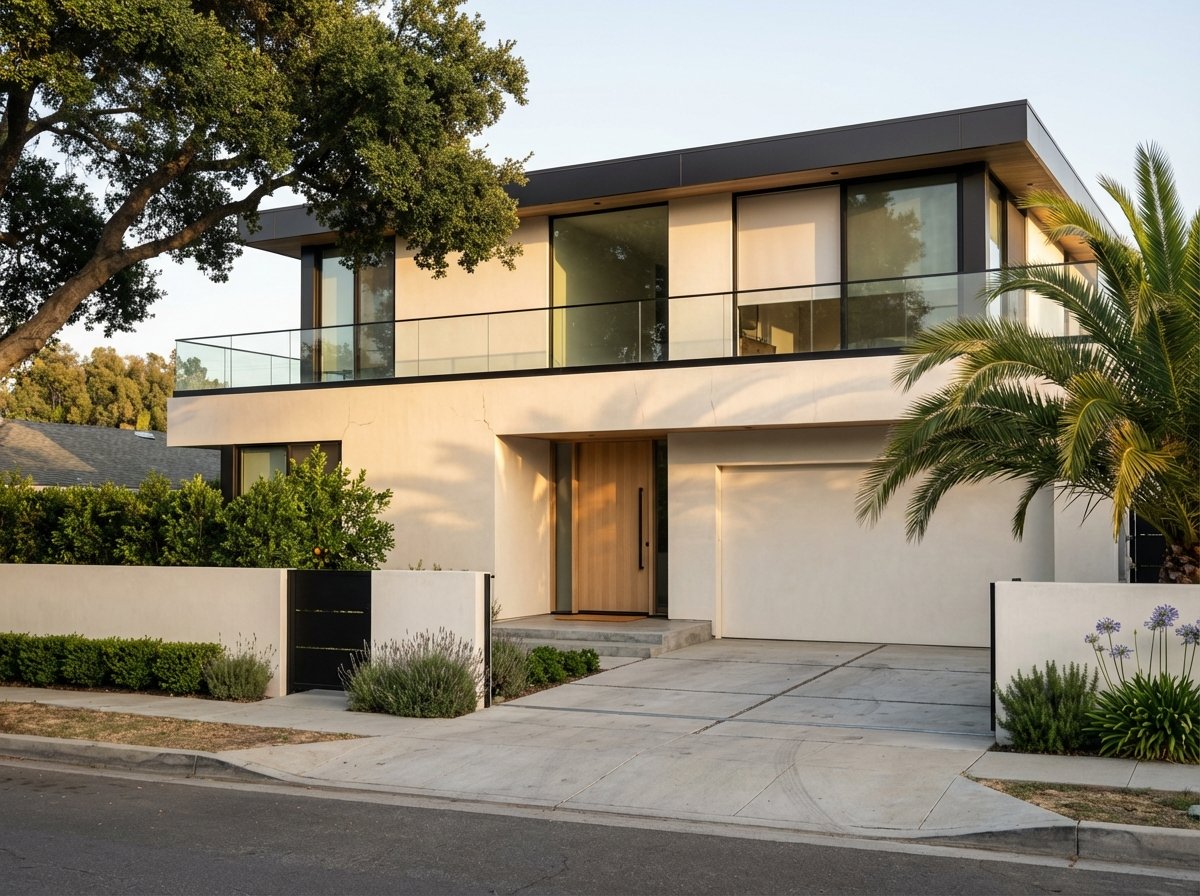
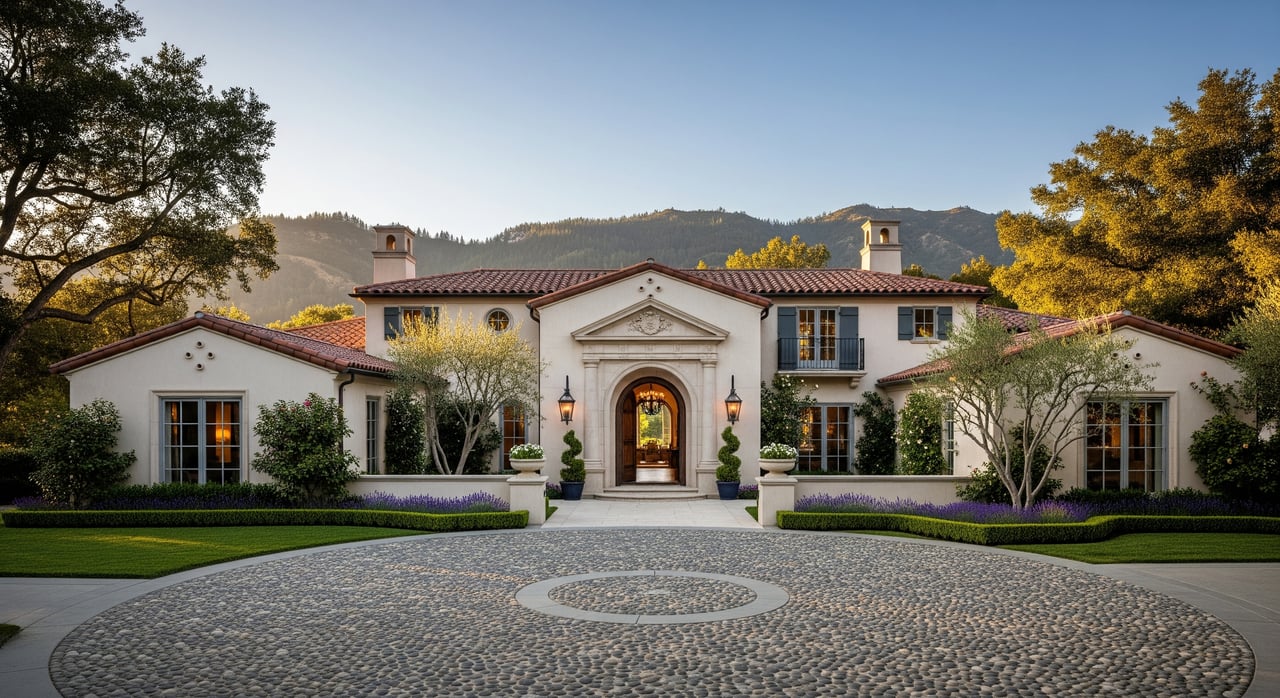
Los Gatos offers more variety in home types. Near downtown, you’ll find condos, townhomes, and small-lot single-family homes. In the flats and foothills, older Craftsman, Spanish, and post-war homes are common, while the hills include larger estate properties with views. Saratoga leans toward single-family neighborhoods, many with larger lots and single-floor ranch or modern homes, plus luxury estates in foothill areas. Condo and townhome options exist in Saratoga, but they are more limited.

Typical price guidance varies by neighborhood and lot size. In general:

  • Condos and townhomes: Los Gatos commonly offers options in the mid six-figures to low seven-figures, depending on size and location. Saratoga has fewer condos and often higher price per square foot when available.
  • Entry single-family homes: Los Gatos often has relatively lower entry prices compared to Saratoga’s starter options.
  • Move-up homes: Both towns provide strong move-up single-family choices. Saratoga often pairs them with larger lots.
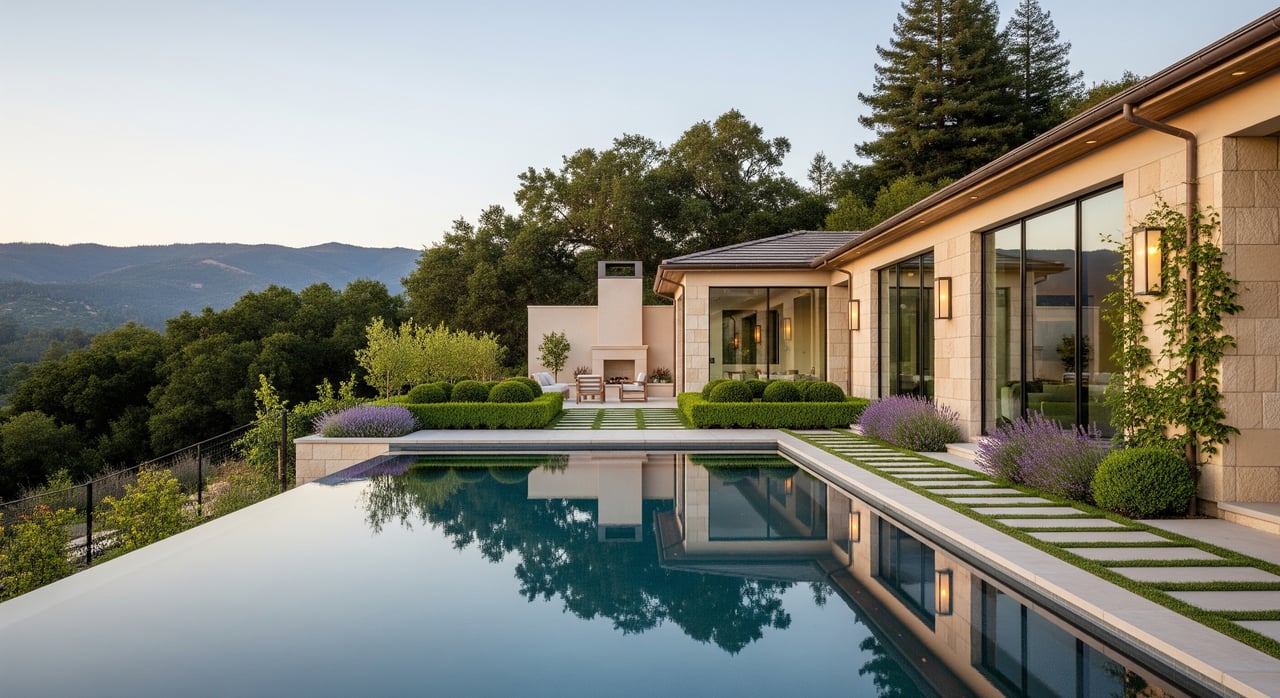
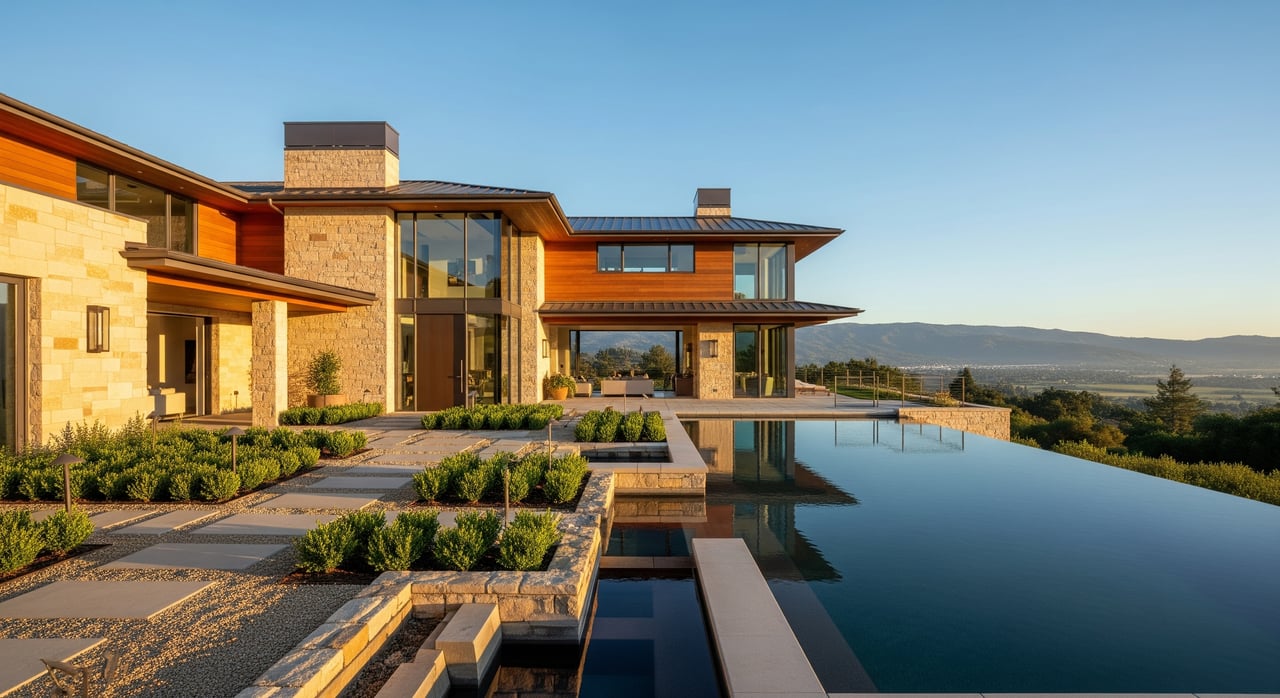
  • Luxury estates: Both markets include luxury tiers. Saratoga’s upper end often features larger, flatter estate parcels. Los Gatos’ top prices frequently tie to scenic hillside estates with views.

Price bands shift quickly with market cycles. Lot constraints, hillside conditions, septic versus sewer, and HOA presence can affect value and financing. Always verify current comps, price per square foot, and days on market before you write an offer.

Lifestyle and amenities

Los Gatos downtown runs along North and West Santa Cruz Avenue with an active, walkable scene. You’ll find a dense cluster of restaurants and boutiques, plus an evening vibe that draws people from around the area. Community events and a regular farmers’ market add to the energy.

Saratoga’s village on Big Basin Way is quieter and more boutique in character, with cafes, local shops, and nearby cultural destinations. You can enjoy the Montalvo Arts Center’s performances and grounds and the tranquil setting at Hakone Gardens. If you want late-evening options and a lively street scene, Los Gatos tends to deliver. If you value a slower pace and privacy, Saratoga often wins.

Parks and outdoors

Both towns are a short drive to major open spaces. Los Gatos offers quick access to Los Gatos Creek Trail, Vasona Lake County Park, and Lexington Reservoir, with the broader Santa Cruz Mountains trail network nearby. Saratoga provides close reach to foothill open spaces and garden destinations, and it is also a short drive to regional preserves like Sierra Azul and Castle Rock.

If you want easy family-friendly park outings and linear trail access near downtown, Los Gatos makes this simple. If you prefer scenic foothill drives, curated gardens, and access to hilltop trailheads, Saratoga aligns well. In both towns, hillside properties warrant careful attention to slope, drainage, wildfire risk, and defensible space.

Commute reality

Your commute routing may be the tiebreaker. Los Gatos connects directly to Highway 17 heading toward central San Jose and Santa Cruz, with common peak-hour congestion. Saratoga typically reaches CA 85 faster, which is useful for commutes to Cupertino, Mountain View, and west Peninsula employers. For trips toward Palo Alto and the mid-Peninsula, Saratoga drivers often access I 280 via local arterials, while many Los Gatos commuters combine 85 and 17.

Rail options are limited within the towns themselves. Typical public transit commutes use VTA bus connections and transfers to Caltrain or to San Jose’s Diridon Station. Employer shuttles can fill gaps depending on routes. Peak congestion on 85 and 17 can add variability, so it pays to test your door-to-door route at the same time you would normally commute.

Touring routes to compare

Use these half-day plans to feel each town’s rhythm and housing mix.

Los Gatos half-day

  1. Downtown North Santa Cruz Ave, 30–45 minutes
  • Walk the main blocks and note parking, evening energy, and noise levels.
  • Check nearby condo and small-lot single-family options.
  1. Flat neighborhoods like Blossom Manor or Rinconada, 30–45 minutes
  • Drive tree-lined streets and evaluate lot sizes, garages, and sidewalk continuity.
  1. Vasona Lake County Park or Los Gatos Creek Trail, 20–30 minutes
  • Gauge recreation access relative to homes you like.
  1. Hillside neighborhoods or a selected mountain-area listing, 45–60 minutes
  • Note access roads, slope, vegetation, views, and distance to services.
  • Verify water and sewer details and driveway steepness.
  1. Optional: Lexington Reservoir quick stop to evaluate weekend recreation access.

Saratoga half-day

  1. Saratoga Village on Big Basin Way, 30–45 minutes
  • Stroll boutiques and cafes to feel the daytime vibe and parking options.
  1. Congress Springs and neighboring residential blocks, 30–45 minutes
  • Compare lot sizes and single-floor versus multi-level inventories.
  1. Hakone Gardens or Montalvo grounds, 30–45 minutes
  • Consider the value of nearby cultural and garden amenities.
  1. Foothill and estate corridors north of town, 45–60 minutes
  • Drive estate streets and evaluate privacy, ingress and egress, and wildland interface details.

One-day comparison loop

  • Morning: Start in Los Gatos downtown, then tour a flat neighborhood and one hillside listing.
  • Midday: Take Saratoga-Los Gatos Road to Saratoga Village for lunch and a downtown walk.
  • Afternoon: See Saratoga single-family and estate areas, plus Hakone Gardens or Montalvo.
  • Late afternoon: Test likely commute routes on 85, 17, and 280 during a peak hour.

What to check on viewings

Bring a short checklist to keep your tour focused:

  • Parking: on-street vs. private, and evening availability.
  • Noise and vibe: check at multiple times of day.
  • Yard use: size, solar access, slope, and drainage clues.
  • Neighborhood character: sidewalks, lighting, and any visible short-term rentals.
  • Daily needs: grocery access and approximate drive times to major employers.
  • Utilities and constraints: sewer vs. septic, any HOA, known easements, and hillside permitting.

Same-day decision plan

If you need to move quickly, a clear workflow helps you act with confidence.

Prepare before you tour

  • Get written mortgage pre-approval with loan type, amount, and rate range.
  • Decide your walk-away number and a target price range.
  • Define must-haves and dealbreakers like max commute time, minimum lot size, or bedroom count.
  • Ask your agent for two comps sets per area being toured, one conservative and one aggressive.

During the tour

  • Use a one-page scorecard per property and take photos and notes.
  • Draft an offer-ready estimate for each home: target price, earnest money, contingencies, and closing timeline.

After the tour

  • Huddle quickly with your agent and lender to review scores, comps, and final numbers.
  • If you decide to write, confirm price, earnest money, inspection windows, and any preferred closing dates.

Quick scoring rubric

Use a 0–10 scale per category and adjust weights to match your priorities:

  • Commute fit, 15 points
  • Price and value, 20 points
  • Condition and renovation need, 15 points
  • Outdoor and lot quality, 15 points
  • Downtown and lifestyle fit, 10 points
  • Recreation and park access, 10 points
  • Resale and liquidity, 15 points

Risks and fine print

Both towns often have low inventory relative to demand, so expect occasional bidding. Hillside properties can carry added permitting, drainage, and geotechnical considerations. In wildland interface areas, ask about defensible space and any fire-hardening improvements. On sloped lots, confirm sewer connections and stormwater management. Review disclosures carefully before shortening or waiving contingencies.

Which town fits you

  • Choose Los Gatos if you want a lively, walkable downtown, convenient access to trails and lakes, and a wider mix of housing types that include downtown condos and hillside estates.
  • Choose Saratoga if you value quieter streets, larger lots, and an estate-oriented single-family environment with nearby cultural venues and scenic foothill access.

If you are still undecided, follow the one-day comparison loop and test your commute at peak times. Your priorities around lifestyle, routing, and budget will usually make the decision clear.

Ready to compare homes side by side, set a budget strategy, and tour with a clear plan? Schedule a conversation with Chalet Kerr for local guidance, bilingual English and Mandarin service, and a streamlined path from tour to offer.

FAQs

What’s the core lifestyle difference between Los Gatos and Saratoga?

  • Los Gatos offers a busier, walkable downtown with more evening activity, while Saratoga has a quieter village feel centered on boutique shops and cultural venues.

How do typical commute routes differ for each town?

  • Los Gatos connects directly to Highway 17 and often uses CA 85 combinations, while Saratoga generally reaches CA 85 and westbound I 280 faster for west and mid-Peninsula commutes.

What housing types are most common in Los Gatos vs. Saratoga?

  • Los Gatos has a mix of downtown condos, older flat-neighborhood homes, and hillside estates; Saratoga is more single-family focused with larger lots and estate-style properties.

How should I compare prices without getting outdated data?

  • Use current comps from your agent and same-week market snapshots, since price bands vary by neighborhood, lot size, and conditions like septic, slope, or HOA presence.

What should I look for when touring hillside properties?

  • Check access roads, slope and drainage, wildfire defensible space, utility connections, and any hillside permitting or geotechnical requirements.

Your Journey Awaits

Real estate isn’t just about property — it’s about people. Chalet takes the time to understand your story and guide you home with warmth and integrity.