Saratoga Schools and Neighborhoods Guide to Finding Your Fit
Trying to choose between a shorter commute, a larger yard, or a home near the campus you prefer? In Saratoga, schools and neighborhoods are closely linked, and each micro-market comes with its own price band and lifestyle tradeoffs. This guide gives you a clear, practical way to align your school priorities with the right part of town, with data points to set expectations. Let’s dive in.
Saratoga’s public system pairs two districts. For TK through 8th grade, the Saratoga Union School District (SUSD) operates three elementary schools and Redwood Middle. You can review the current campuses and registration details on the district’s SUSD schools page.
For grades 9 through 12, the Los Gatos-Saratoga Union High School District (LGSUHSD) serves the area through Saratoga High School and Los Gatos High School. The district is widely regarded for strong outcomes, and you can review boundaries, testing, and accountability on the LGSUHSD site and its accountability page.
If you want objective performance information, SUSD posts School Accountability Report Cards and other documents on its SARC page. The California Department of Education also provides school profiles and CAASPP results, such as the Redwood Middle profile.
Saratoga elementary addresses are verified through SUSD. The district does not publish a public address-to-campus map. Always confirm your address with the district’s boundaries and enrollment page before you use a school as a home search filter.
SUSD allows families within its boundaries to request any of the three elementary campuses, subject to space and registration priorities. If a specific elementary campus is your top priority, contact SUSD early to ask about timelines and waitlists.
For grades 9–12, check LGSUHSD attendance, transfer options, and boundaries. Start with the LGSUHSD site and its accountability page for district-level resources.
Some families consider private K–8 options. Notable local choices include Sacred Heart School (Catholic, JK–8). Review tuition, capacity, and application timelines on the Sacred Heart School site. Saint Andrew’s Episcopal School (PK–8) also serves local families. Check each school’s site directly for the latest admissions details.
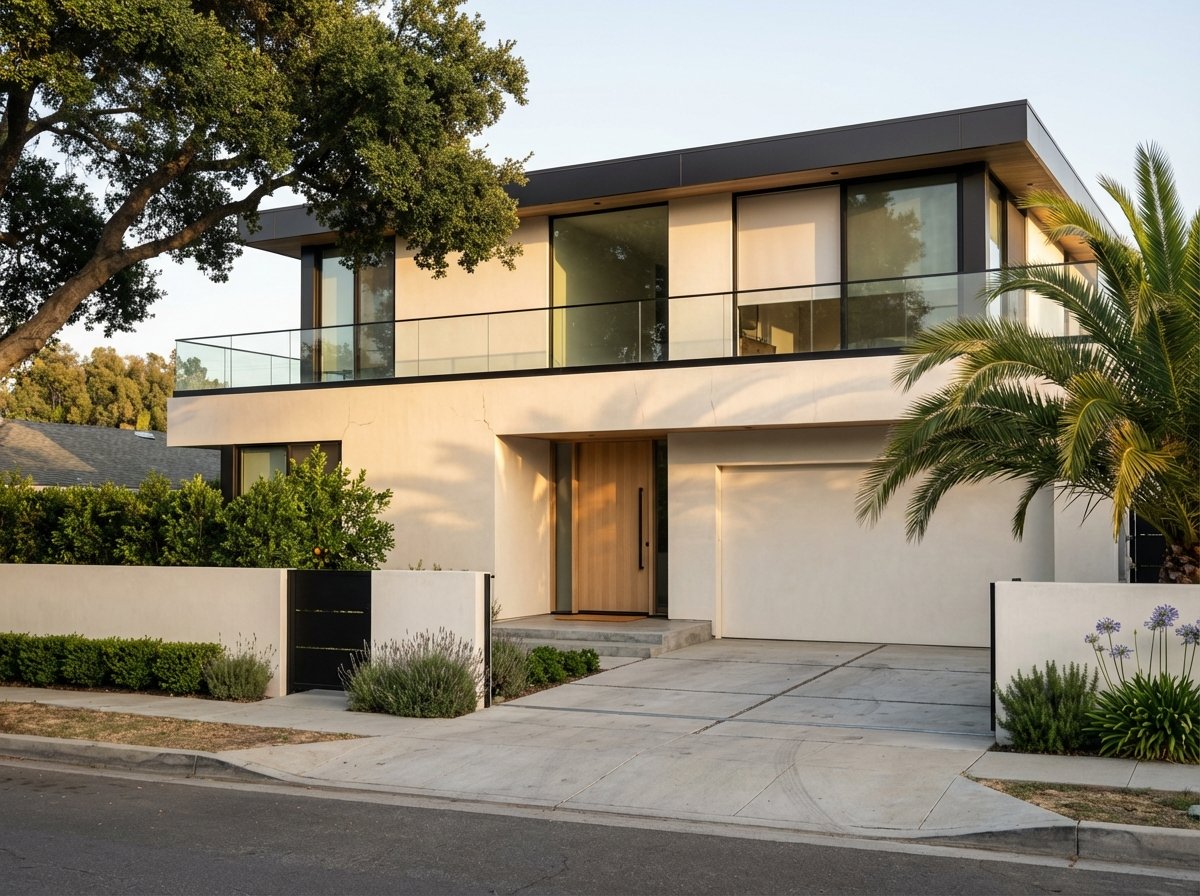
Saratoga is a low-density, high-value city where school logistics, lot size, and commute patterns influence pricing. The city’s typical home value is about 3,991,120 dollars based on a recent snapshot. Neighborhood medians vary, which can help you target the right areas for your budget and needs.
This is the walkable core near Big Basin Way. You will see mid-century homes, cottages, and thoughtfully updated properties. Many buyers prioritize being close to cafes, parks, and community events.
Prices here often sit in the mid 3 million to mid 5 million range depending on lot size and remodel level. A recent neighborhood median in the Village-adjacent Triangle South area was about 4.39 million dollars. School logistics are convenient, with short drives to elementary campuses and Redwood Middle.
These neighborhoods grew from former orchards into larger-lot, leafier streets with many custom and remodeled homes. Families who want indoor and outdoor space often start here.
Fruitvale West shows a neighborhood median around 5.65 million dollars, while broader Fruitvale trends near 4.16 million dollars in recent snapshots. The area is convenient to Redwood Middle on Fruitvale Avenue, which can simplify after-school pickups. The tradeoff is a bit more driving to some commute corridors, balanced by privacy and lot size.
Hillside micro-markets like Congress Springs and Glen Una offer privacy, views, and larger acreage. You are also close to cultural assets such as Hakone Gardens and the Montalvo Arts Center, which many families enjoy.
Neighborhood medians in recent data were about 4.05 million dollars in Congress Springs and 4.55 million dollars in Glen Una, though trophy properties can sell well above area medians. Expect longer and more winding drives to schools and daily errands. Many buyers accept the commute tradeoff for space and setting.
On the city’s edges near Cupertino, you will find mid-century ranch homes on smaller lots, with many 1950s through 1970s builds. These pockets can be more budget-accessible than central or hillside areas.
Recent medians include about 2.78 million dollars in Sunland Park and the low to mid 3 million range in nearby Monta Vista areas. Commutes to Cupertino and northwest Santa Clara County can be shorter from here. Always confirm the exact elementary assignment because district boundaries can shift at the edges.
The city’s typical home value is about 3.99 million dollars, which sets a helpful baseline as you plan. Use this to calibrate your search and refine neighborhoods that fit your goals.
Use the city and neighborhood medians as a starting point, then review recent comparable sales to translate medians into real list and purchase ranges. If your ceiling is 3.5 million dollars, you may need to deprioritize Fruitvale West or many hillside estates.
Saratoga’s mean travel time to work is about 25.2 minutes based on recent Census data. You will find that distances are short across Silicon Valley, yet peak congestion can add time. Central locations make it easier to reach 280 and 85, while hillside addresses typically add minutes due to winding roads. Edge locations near Cupertino can shorten drives to certain employers. Use your likely departure times to test run key routes.
Reference: Census Reporter’s Saratoga profile for commute context.
Choosing your Saratoga fit means balancing school priorities, budget, commute, and lifestyle. With clear goals and verified details, you can focus your search on neighborhoods that support your day-to-day routines and long-term plans. If you want a guided plan tailored to your budget, school preferences, and timing, connect with Chalet Kerr for a local, data-informed approach.
Stay up to date on the latest real estate trends.
Real estate isn’t just about property — it’s about people. Chalet takes the time to understand your story and guide you home with warmth and integrity.
CHALET KERR | CA DRE# 01975585
750 University Ave Ste 150 Los Gatos, CA 95032