Living in Saratoga California: Daily Life & Lifestyle
Thinking about Saratoga and wondering what daily life really feels like? You might have heard about the quiet streets, excellent schools, and weekend concerts, but you want a grounded picture before you dive into listings. You’re in the right place. In this guide, you’ll get a clear view of neighborhoods, home types, schools, culture, outdoor access, commute realities, and the practical tradeoffs that shape everyday life in Saratoga. Let’s dive in.
Saratoga sits at the northeastern edge of the Santa Cruz Mountains, west of major Silicon Valley job centers like Cupertino, Sunnyvale, and Mountain View. The city is primarily residential, with tree-lined streets, hillside estates, and a compact historic downtown known as Saratoga Village. It has a semi-rural, upscale feel compared with denser parts of Silicon Valley. You’ll find high educational attainment and household income levels, along with a diverse population and strong connections to the tech economy.
The urban form here is low-density. Most of the city is zoned for single-family homes, with limited multifamily options and few high-density developments. Many lots are larger than typical Silicon Valley parcels, especially in foothill neighborhoods.
Saratoga’s neighborhoods vary in lot size, architecture, terrain, and access to services. Understanding the micro-areas will help you match your lifestyle with the right fit.
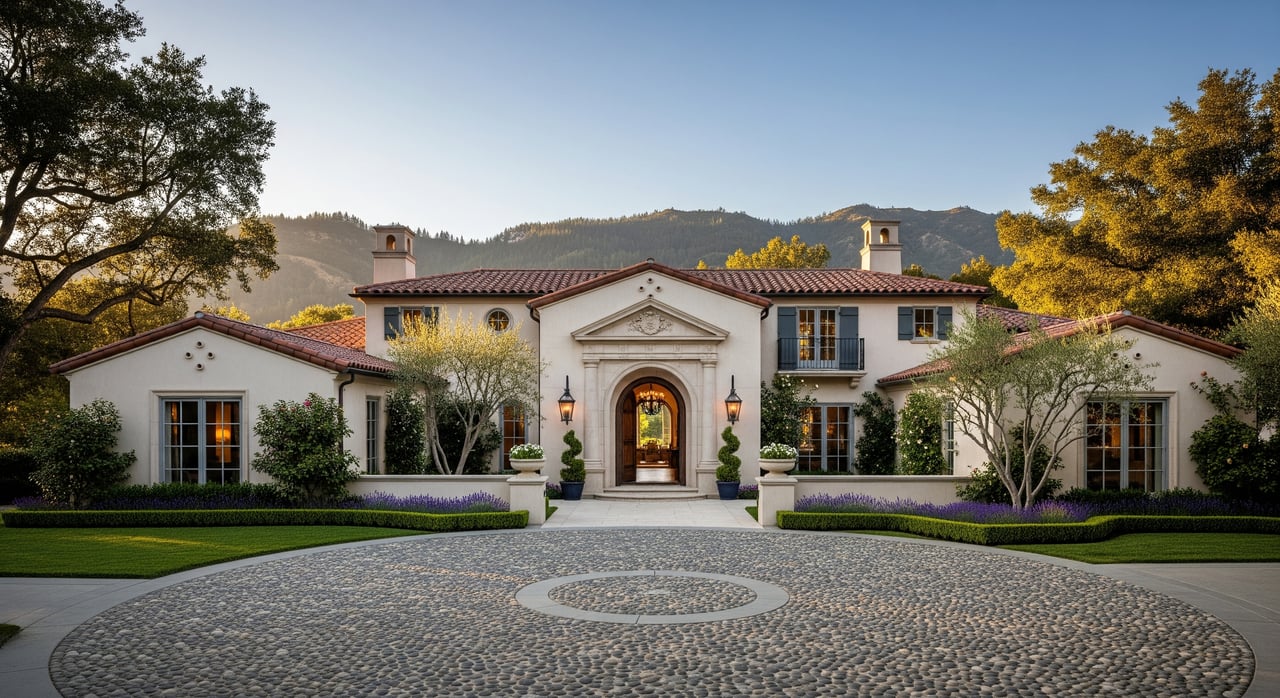
Saratoga Village is the walkable heart of the city, with boutiques, cafes, and local services. Streets around the Village feature older homes on smaller lots and a charming, established streetscape. You’ll see Craftsman, bungalow, and Spanish Revival styles, often updated over time. If you want a neighborhood feel and easy access to dining and the library, this is a natural starting point.
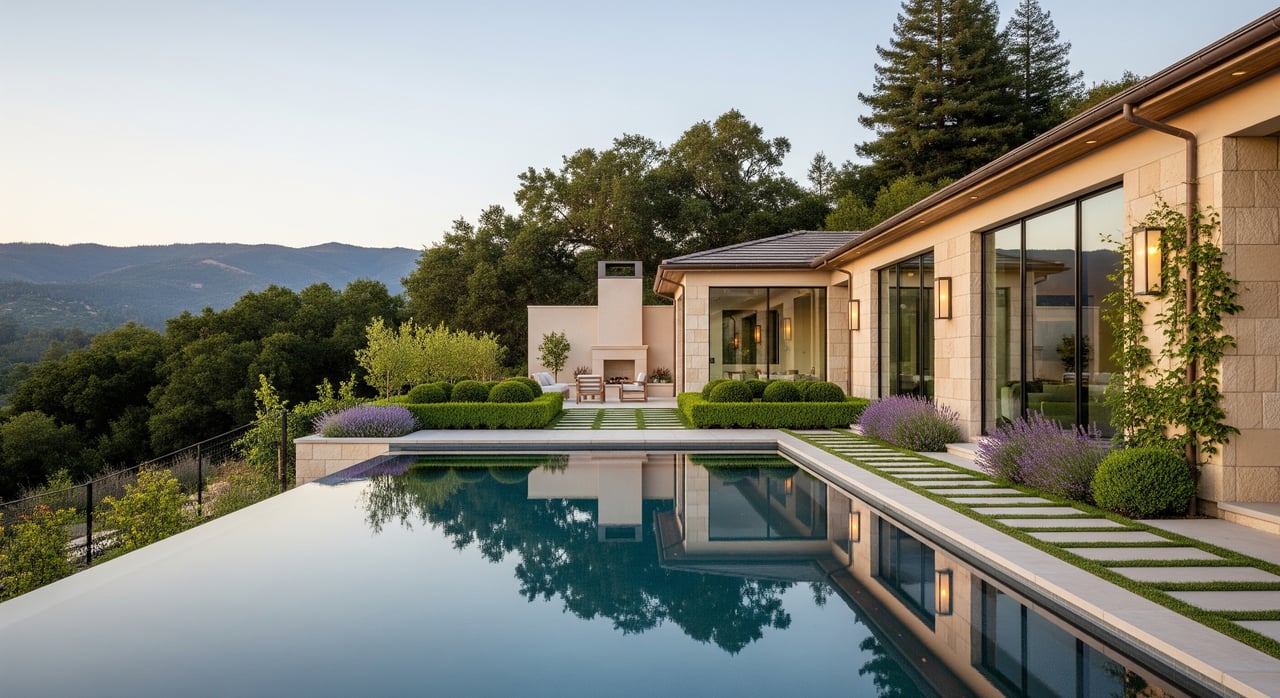
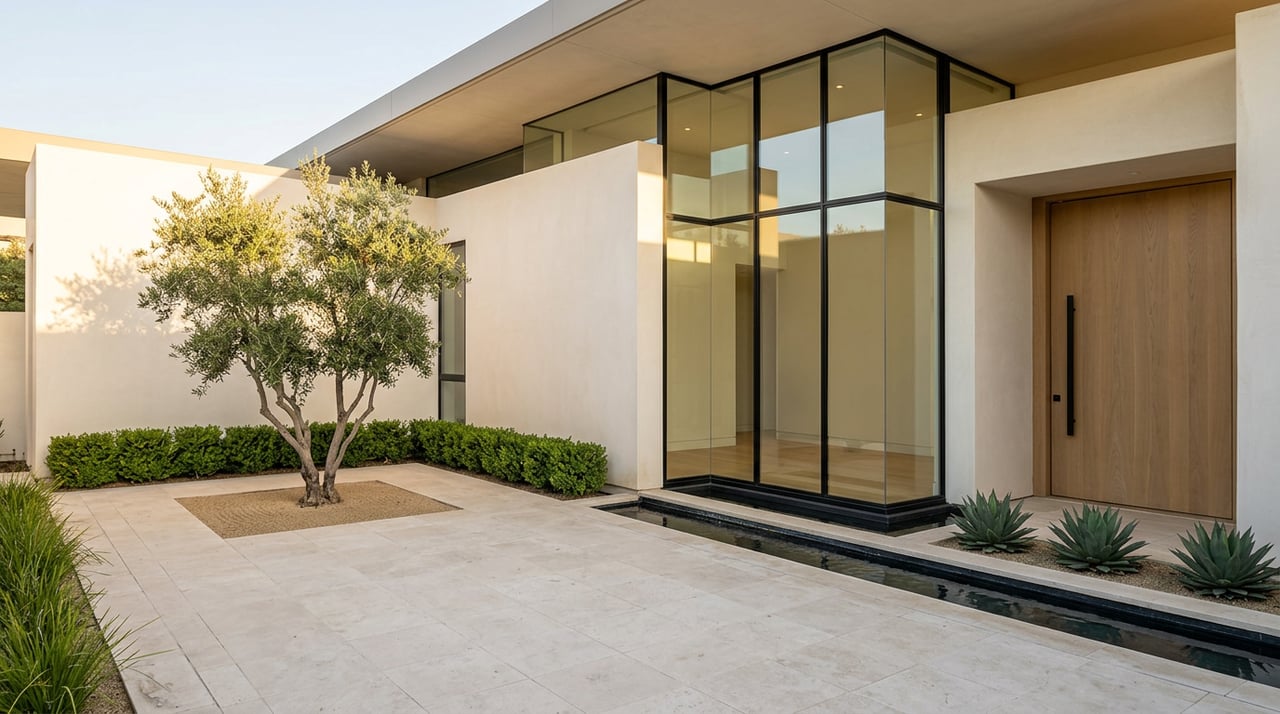
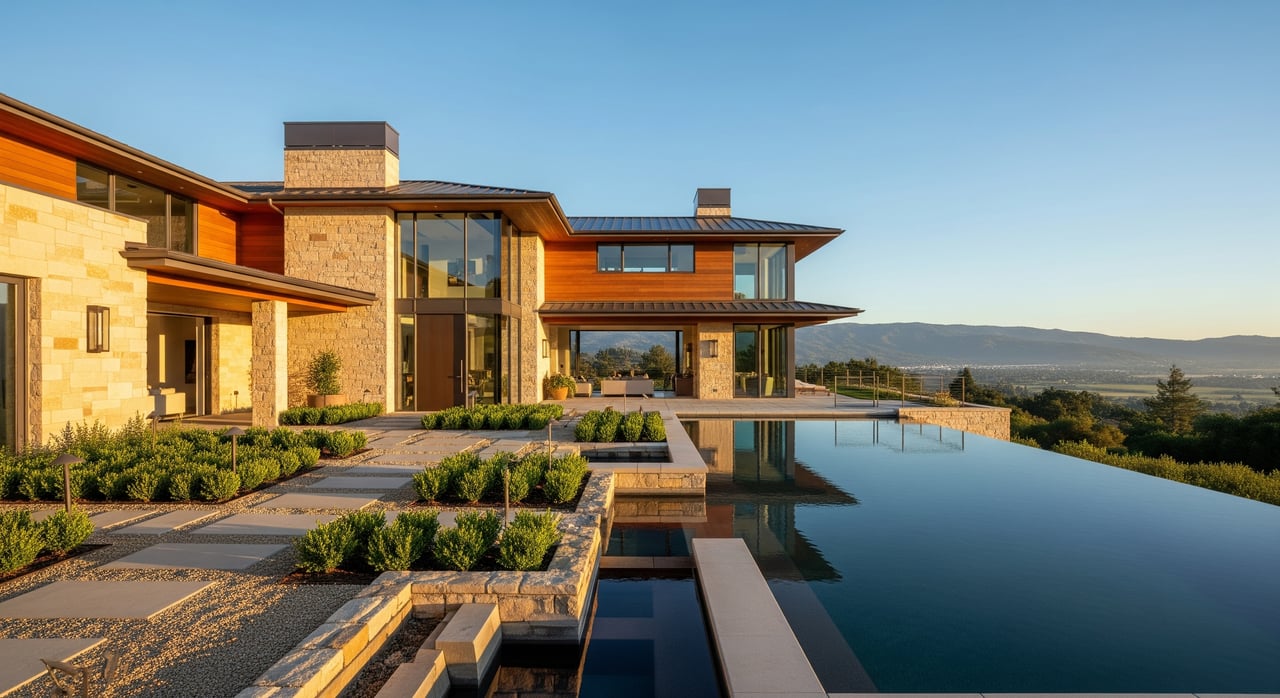
West and north of the Village, foothill neighborhoods offer privacy, views, and larger parcels. Homes range from custom builds to gated estates, with contemporary designs and mature landscaping. The streets can be steeper and more winding, and you’ll trade some convenience for space, scenery, and seclusion. Many properties here value indoor-outdoor living and expansive terraces.
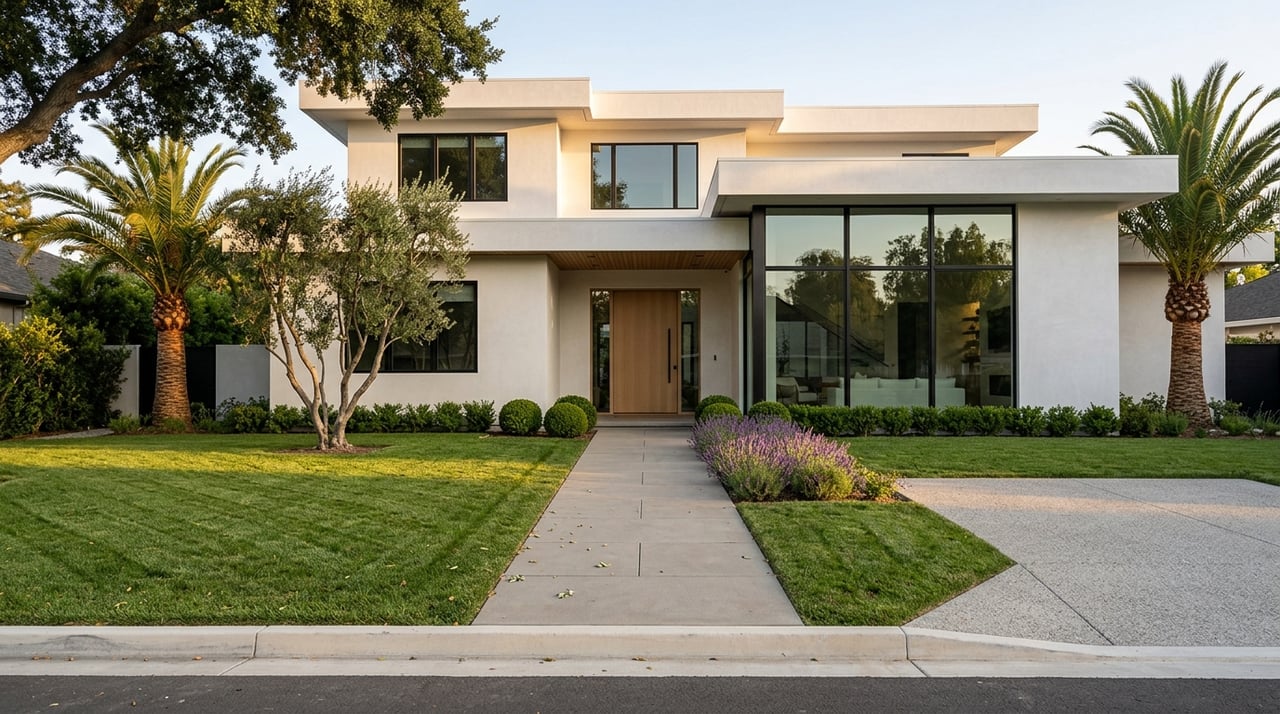
On the eastern side, closer to the Los Gatos border and Highway 9, you’ll find mid-century and ranch-style homes on flatter parcels. These areas offer easier vehicle access to highways and a traditional suburban layout. Many homes have been remodeled, expanded, or fully rebuilt to meet modern needs. If you want a smooth commute corridor and family-oriented streets, the flats are worth a look.
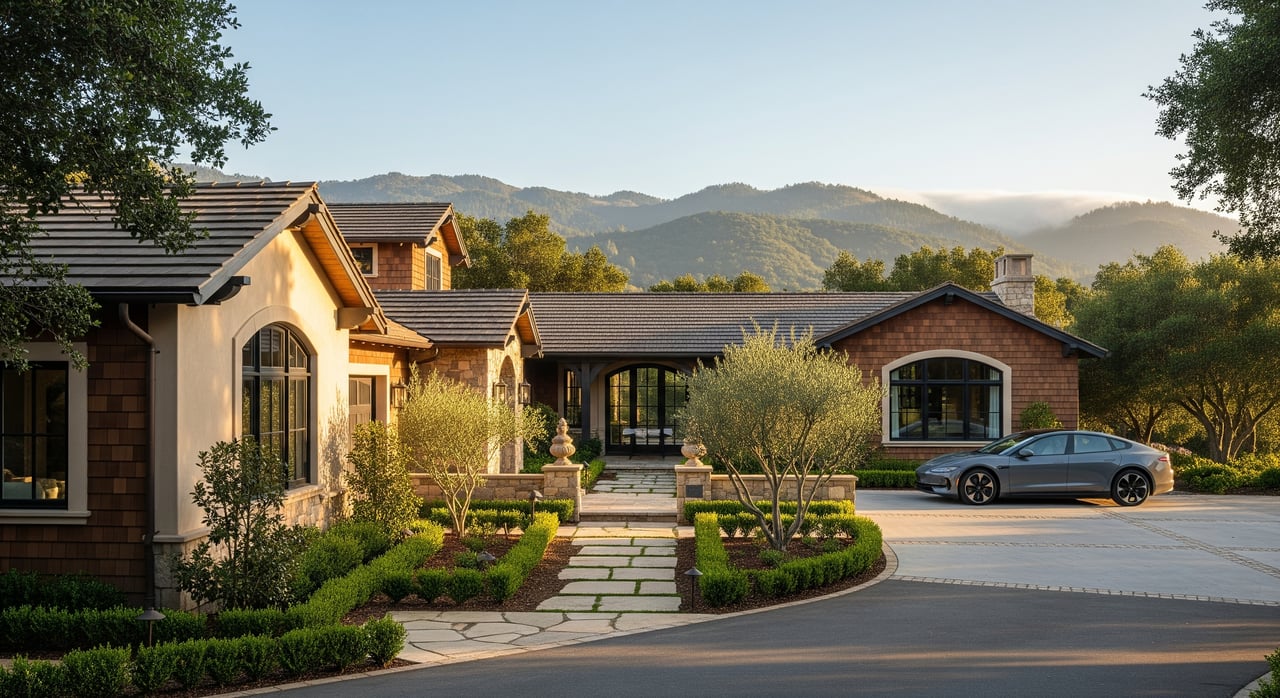
Some properties retain an orchard or acreage character that echoes Saratoga’s agricultural past. You’ll see architectural variety, from preserved historic homes to newer estate-style builds. Larger lots often include mature trees, privacy hedges, and room for gardens or small vineyards. These settings attract buyers seeking land and a quieter, semi-rural feel.
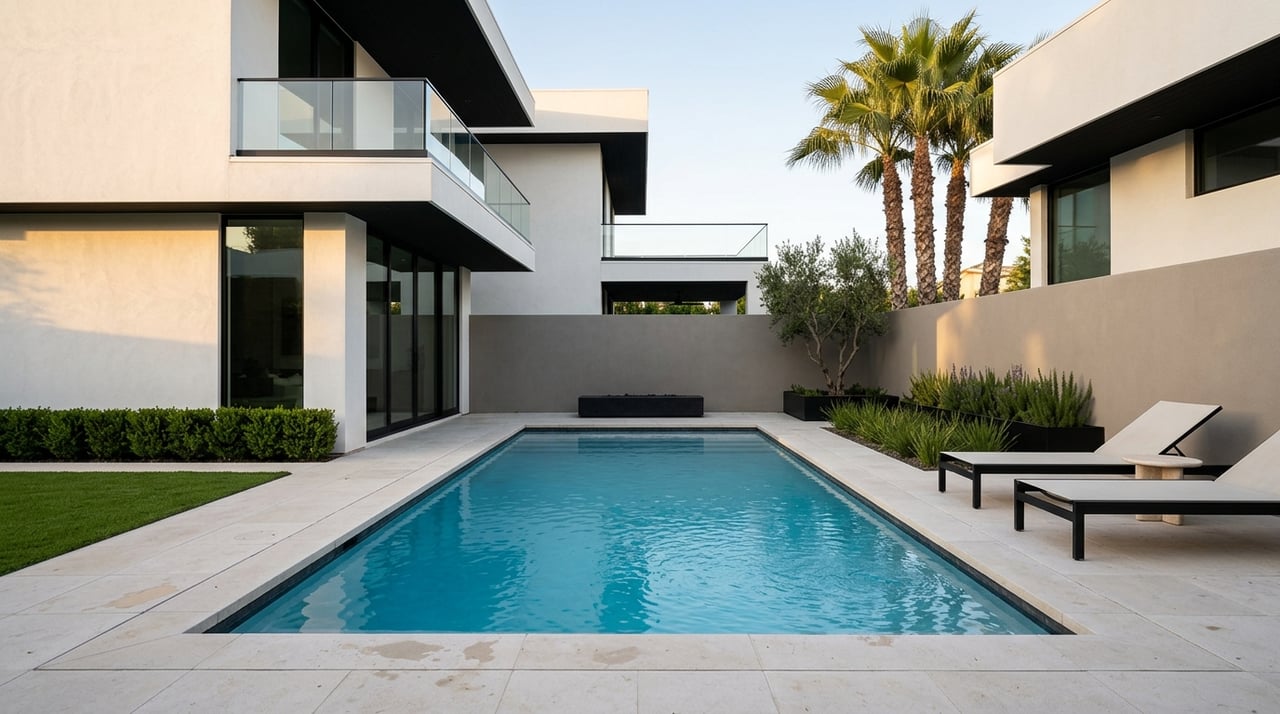
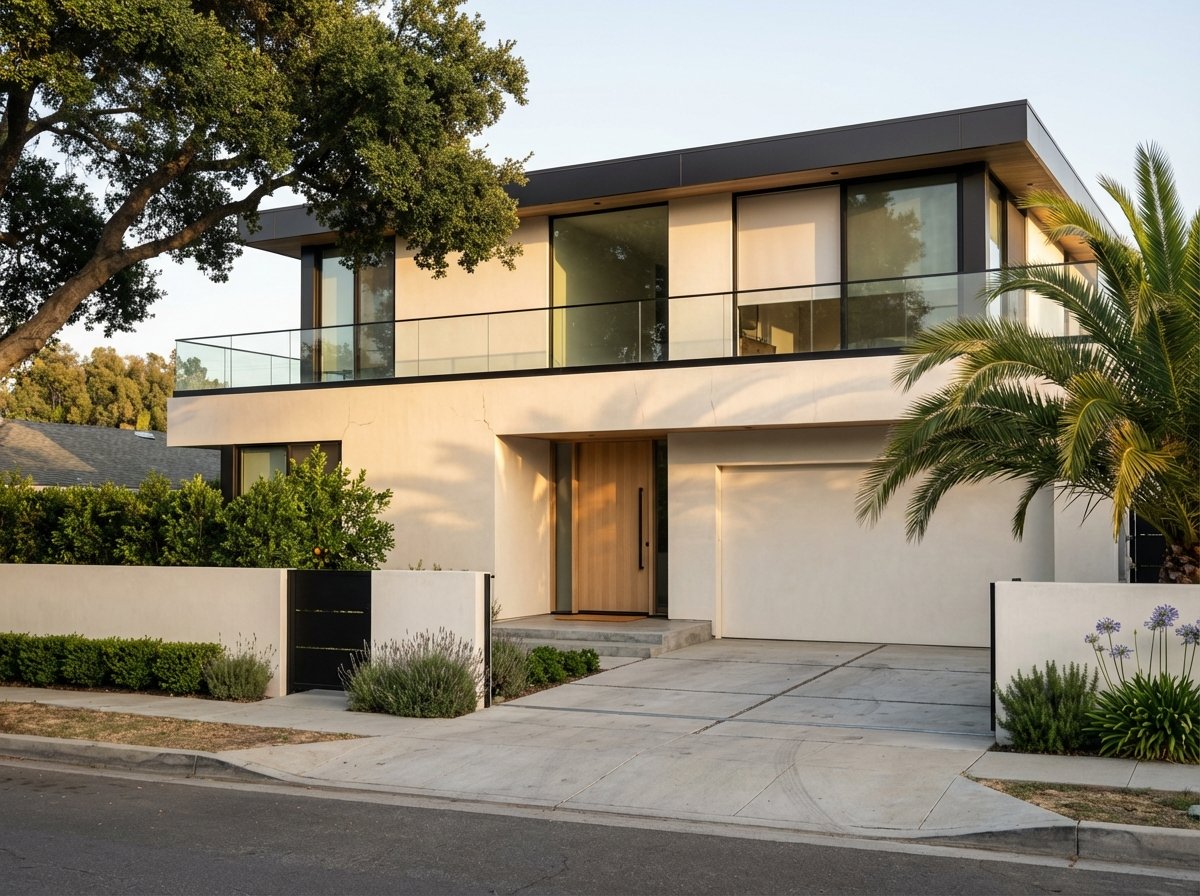
Across the city, you’ll find a mix of historic homes, mid-century ranches, and modern custom estates. Many older homes have been renovated or replaced with larger contemporary builds. Lot sizes are generally generous by Silicon Valley standards, especially in the hills, which supports privacy and outdoor amenities. Landscaping is mature and often designed for low visibility from the street.
Public schools are a major reason families choose Saratoga. Elementary and middle schools are primarily served by the Saratoga Union School District. High school students typically attend campuses in the Los Gatos-Saratoga Union High School District, including Saratoga High School. These schools are widely regarded for strong academics, robust extracurriculars, and high parent engagement.
Private and supplemental education options are also accessible. You can find private preschools and K–8 programs in and around the city, and nearby communities offer additional private high school choices. Many families take advantage of enrichment programs in language, STEM, music, and sports.
Family life extends into parks, playgrounds, and community recreation programs. The city’s small, walkable downtown supports errands on foot and casual family dining. Seasonal events and community gatherings contribute to a sense of connection and local pride.
Saratoga’s cultural scene is anchored by three well-known destinations. The Montalvo Arts Center, set on 175 acres around a historic villa, offers performances, classes, artist residencies, and public grounds for walking. Mountain Winery brings a seasonal outdoor concert series along with wine tasting and scenic views, a popular evening outing for residents. Hakone Gardens, one of the oldest Japanese gardens in the United States, is a peaceful daytime retreat with cultural programming and striking landscapes.
Saratoga Village ties everyday life together with independent shops, coffee spots, and restaurants. It’s not a late-night destination, but it is a comfortable place for weekend strolls, family meals, and low-key date nights. You will find a mix of casual and fine dining options that draw visitors from around the valley.
If you enjoy the outdoors, Saratoga makes it easy to turn hiking and trail running into a weekly routine. The city sits at the doorstep of the Santa Cruz Mountains, with quick access to county and regional parks. Nearby destinations like Sanborn and Castle Rock offer extensive trail networks, rock formations, and panoramic views. Local neighborhood parks provide playgrounds, courts, and fields for youth sports.
The Mediterranean climate supports year-round activity. Summers are warm and dry. Winters are mild and wetter. Microclimates vary across the hills and flats, so temperatures and fog can shift by neighborhood. If you like to mountain bike, trail run, or simply walk after dinner, the natural setting is a daily perk.
Driving is the dominant way to get around and commute. Many residents head to employers in Cupertino, Sunnyvale, Mountain View, or downtown San Jose. Depending on destination and traffic, you can expect typical commute times in the range of 20 to 50 minutes or more. Neighborhood location matters, since hillside streets add a few minutes before you reach major corridors.
Highway access typically relies on Highway 9 and nearby connections to 85 and 280. Public transit is limited inside Saratoga, and there is no Caltrain station in the city. Bus service exists, but many commute trips would require transfers, so some residents drive to nearby park-and-ride lots or rail stations. For air travel, Mineta San José International is the closest major airport, with San Francisco and Oakland airports a longer drive away.
Saratoga is one of the more expensive markets in Santa Clara County and the broader Bay Area. Prices and rents are well above county and national medians. The combination of school reputation, location, larger lots, and limited multifamily supply drives demand and competition, especially in popular school catchments and convenient corridors.
Ownership costs follow California structures, with property taxes at around 1 percent of assessed value plus local assessments and bonds. Inventory for single-family homes can be tight, and entry-level options are limited. If you are renting, you may find fewer choices compared with denser cities nearby, and competition can be strong for renovated homes in desirable areas.
Utilities and services are typical for a suburban city, but hillside parcels sometimes come with special considerations. Some properties may have private wells or septic systems historically, though most connect to municipal water and sewer. If you plan to remodel or build, expect more complex permitting in hillside areas, including potential geological studies, design review, and longer timelines. Contractor costs are generally higher across the Bay Area, so plan accordingly.
Natural hazard awareness is part of responsible ownership. Like the rest of California, Saratoga faces seismic risk. Properties near open space can have additional fire safety considerations during dry months, so defensible space and vegetation management are important. Overall crime rates are lower than many metropolitan areas, and quiet streets are part of the city’s appeal.
Saratoga fits best if you value privacy, larger lots, and a village-centered lifestyle over urban buzz.
You may find Saratoga less suitable if you need robust public transit for daily commutes or if you are focused on entry-level affordability. The city has fewer multifamily options than nearby urban centers, and nightlife is subdued. If you prefer to walk to a wide range of late-night restaurants and entertainment, consider neighboring cities with higher density.
Saratoga offers a calm, polished residential experience with excellent access to culture and nature. You’ll trade urban energy for space, privacy, and a strong community fabric. If that balance fits your priorities, Saratoga can be a rewarding long-term home base.
Ready to explore neighborhoods, compare commute options, and create a focused plan for your move? Connect with Chalet Kerr for a personalized, data-informed approach tailored to your goals.
Stay up to date on the latest real estate trends.
Real estate isn’t just about property — it’s about people. Chalet takes the time to understand your story and guide you home with warmth and integrity.
CHALET KERR | CA DRE# 01975585
750 University Ave Ste 150 Los Gatos, CA 95032