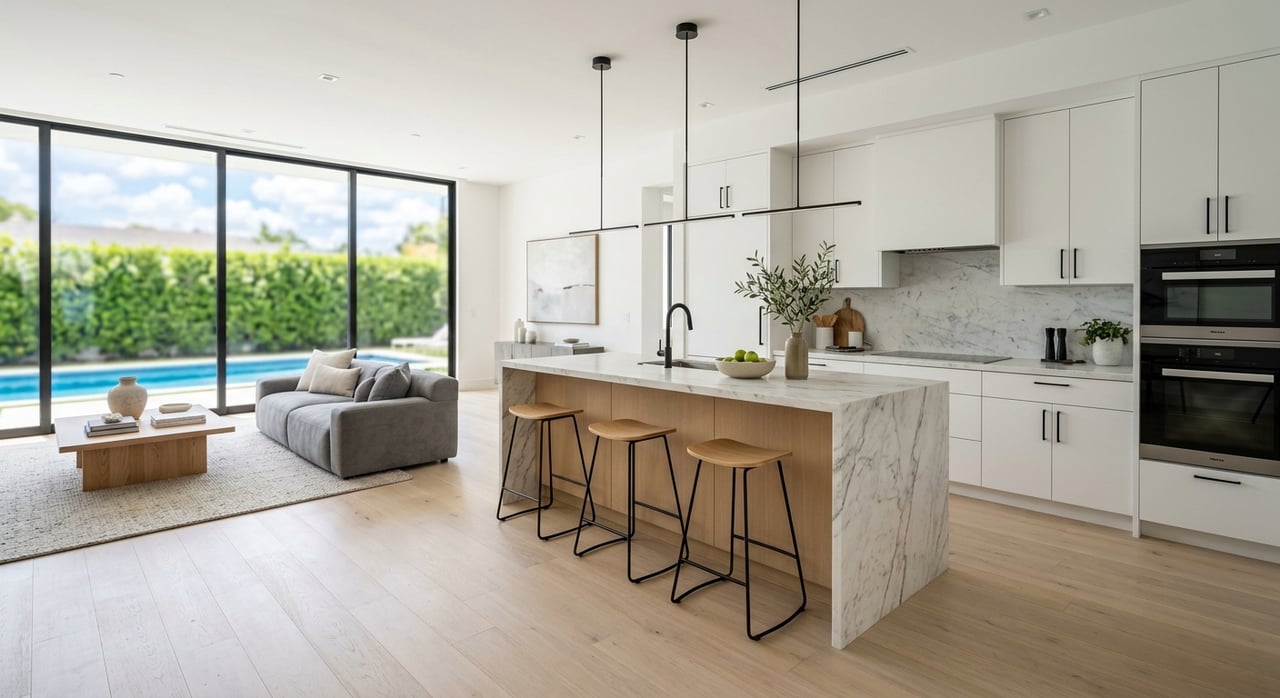
Selling a Home in San Jose With a Smarter Plan
If you are thinking about selling in San Jose, you may be wondering whether this is still a strong seller’s market or a moment that calls for more strategy. The answer is both. Buyers are active, but they are also more selective than they were in the fastest-moving years, which means your price, prep, disclosures, and launch plan all need to work together. This guide walks you through what to expect when selling a home in San Jose, from early preparation to closing day. Let’s dive in.
San Jose is still competitive, but it is not one-size-fits-all. In March 2026, the median sale price was about $1.489 million, homes sold in around 10 days, and 65.2% of homes sold above list price. At the same time, Realtor.com reported 944 active listings in April 2026 and a 29-day median days on market, which points to more inventory and more buyer scrutiny.
That matters because citywide averages only tell part of the story. Nearby markets can look very different, with Santa Clara at a median sale price of $1.624 million and Los Gatos at $2.458 million. Even within San Jose, your pricing and marketing strategy should be based on your specific neighborhood, property type, condition, and recent comparable sales.
The right list price starts with recent sold comps, not just broad market headlines. In San Jose, buyers and agents compare homes closely, so details like lot size, updates, views, home type, and location can shift value quickly. A strong pricing strategy reflects the reality of your immediate area, not just the larger metro.
Redfin reports that San Jose homes receive about three offers on average, which shows there is still meaningful buyer demand. But demand does not mean every home can be priced aggressively without support. If your price misses the mark, even a strong market can turn selective buyers into hesitant ones.
Two homes with similar square footage can perform very differently based on condition, street location, and recent updates. That is why pricing should account for your home's specific competitive set. In practice, that often means reviewing nearby sold listings at the zip-code and neighborhood level before deciding how to position your home.
In San Jose, condition and presentation are part of pricing. Buyers often react quickly to what they see online and in person, so your home's first impression can shape both interest and leverage. Pre-sale prep is not just cosmetic. It helps support your target price and your negotiation position.
Compass Concierge can front the cost of certain home-improvement services with payment due at closing, subject to program terms and possible fees or interest depending on state and program details. Covered services may include staging, painting, flooring, landscaping, pest control, moving, and storage. For many sellers, that creates a more coordinated path to market readiness.
The goal is not to over-improve. It is to focus on the work most likely to improve presentation, reduce buyer hesitation, and help your home show well from day one.
One of the biggest mistakes sellers make is treating disclosures as a last-minute task. In California, the Transfer Disclosure Statement applies to the sale of single-family residential property and must be delivered as soon as practicable before transfer of title. If a disclosure or material amendment is delivered after the buyer has signed the offer, the buyer gets three days after in-person delivery or five days after mail or electronic delivery to terminate.
That timing can affect your transaction more than many sellers expect. A late disclosure can reopen a buyer’s cancellation window and create uncertainty just when you thought the deal was secure. Putting the disclosure package together early can help keep your timeline on track.
It is also important to remember that selling a home as-is does not remove disclosure obligations. California’s disclosure rules still require sellers to report known material facts and relevant hazards.
Not every San Jose listing has to hit the market the same way. Compass describes a three-phase approach that may include Private Exclusive, Coming Soon, and then a full public launch. This can help you build interest while finishing prep or gather pricing feedback before going live on the MLS.
That said, off-MLS exposure has tradeoffs. Compass also notes that private or pre-MLS phases can reduce buyer exposure, showings, and offers, which may affect final sale price. The right choice depends on whether you value privacy and testing more than broad reach.
A phased rollout may make sense if you are still completing key prep items, want early pricing feedback, or need a more discreet approach. For some higher-end properties, this can be a useful part of the strategy. But it should be a deliberate decision, not a default setting.
The highest offer is not always the best offer. In San Jose, a strong seller strategy means comparing the full terms, including financing, contingencies, deposit strength, appraisal risk, repair expectations, and the proposed close date. A cleaner, more reliable offer can outperform a higher headline number if it gives you more certainty.
This matters in a market where many buyers are local. Redfin migration data show that 75% of San Jose homebuyers in late 2025 searched to stay within the metro area. That suggests a large share of demand comes from local movers and relocations, which often means buyers are weighing location, timing, and fit very carefully.
A seller net sheet can help you compare the actual outcome of each offer instead of focusing only on the top-line number.
Closing costs can have a real impact on your final proceeds, especially at higher price points. In Santa Clara County, the county documentary transfer tax is $0.55 per $500 of consideration. San Jose also charges a city conveyance tax of $1.65 per $500, both collected at recording.
For higher-value sales, San Jose’s Measure E adds another layer. Effective July 1, 2025, transfers above $2.3 million are subject to an additional real property transfer tax of 0.75% from $2.3 million to $5 million, 1% from $5 million to $10 million, and 1.5% above $10 million. On a $3 million sale, these transfer taxes total about $35,700 before other closing costs.
If your home may sell above $2.3 million, it is smart to estimate taxes and costs before you go to market. That helps you make better pricing and negotiation decisions. It also prevents last-minute surprises during escrow.
As you move toward closing, timing and paperwork become just as important as marketing. Santa Clara County collects applicable taxes and requires properly prepared documents at recording, so your escrow, title, and disclosure package should stay aligned throughout the transaction.
This is another reason early organization matters. If a disclosure comes in late and triggers a new cancellation period, your closing can slow down or become less stable. Sellers usually benefit most when pricing, prep, paperwork, and timing are managed as one coordinated project.
For select higher-end homes, premium marketing can expand reach and improve presentation. Compass Luxury emphasizes curated marketing, targeted outreach, and international exposure, including sharing listings with luxury agents across 22 countries and syndication to major real estate platforms in more than 60 countries.
That kind of reach may be most useful for certain San Jose, Santa Clara, or Los Gatos properties where presentation and buyer pool matter even more. Still, premium marketing works best when the fundamentals are already strong. It cannot rescue a home that is overpriced or poorly prepared.
The most successful San Jose sales usually do not happen because of one big move. They happen because the entire process is coordinated from the start. When pricing, home prep, disclosures, marketing, and offer review all support the same strategy, you give yourself the best chance of a smoother sale and a stronger result.
If you want a boutique, hands-on approach backed by Compass tools like Concierge and Luxury, Chalet Kerr brings neighborhood-level guidance, clear communication, and thoughtful execution to every step of the selling process. When you are ready to plan your sale, Chalet Kerr is here to help.
Stay up to date on the latest real estate trends.


Real estate isn’t just about property — it’s about people. Chalet takes the time to understand your story and guide you home with warmth and integrity.
CHALET KERR | CA DRE# 01975585
750 University Ave Ste 150 Los Gatos, CA 95032