Leave a Message

Thank you for your message. I will be in touch with you shortly.

Should You Remodel Or Sell Your Saratoga Home As Is?

Thinking about selling in Saratoga but not sure if you should invest in updates first or list your home as is? You are not alone. With high prices and low inventory, even small choices can change your bottom line and timeline. In this guide, you will see what tends to pay off, what to skip, and how local rules in Saratoga can affect your plan. Let’s dive in.

Saratoga market at a glance

Saratoga remains a high-end, low-inventory market. As of February 2026, the median sale price was about $3.48 million and the median days on market was roughly 13 days. Listings that are priced and presented well still move quickly at strong price levels.

Local value is also shaped by land and location. The City’s 2024 land-value appraisal notes that prices per square foot often exceed $1,000 in many neighborhoods, and the land component can be a dominant driver of value. Reviewing the 2024 Saratoga land-value appraisal can help you understand why modest, targeted updates may matter more than major remodels purely for resale.

When a remodel pays off

Industry data shows that modest, midrange projects often offer the best cost recapture for sellers. According to the 2025 Cost vs. Value report, a minor midrange kitchen refresh in the Pacific region had a job cost around $28,458 and an estimated resale value near $32,141, a directional recoup of about 113 percent. A midrange bath remodel showed a lower but still solid recapture around 80 percent. Exterior projects such as new garage and entry doors frequently rank among the strongest ROI items.

At Saratoga price points, small upgrades can boost buyer confidence and shorten time to offer. Large, very expensive projects are less likely to pencil out unless they fix a major functional gap.

High-ROI updates

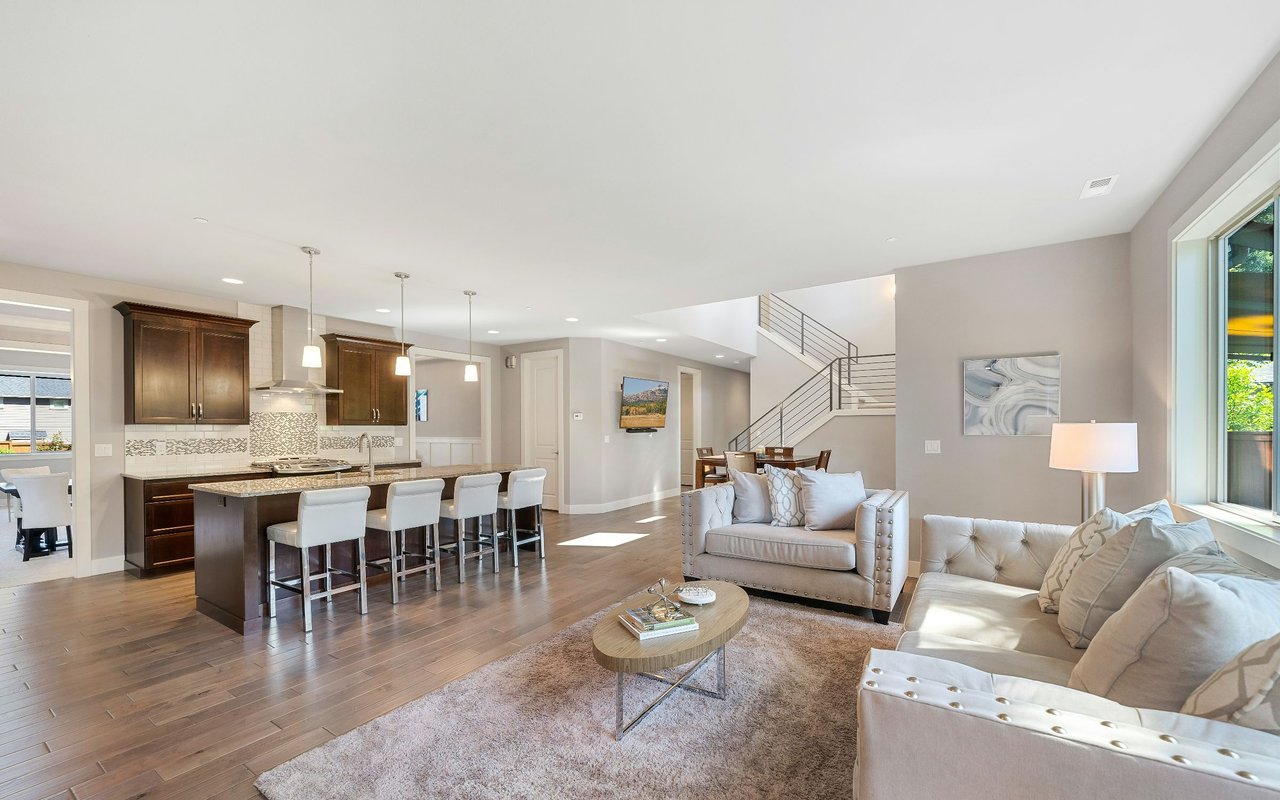
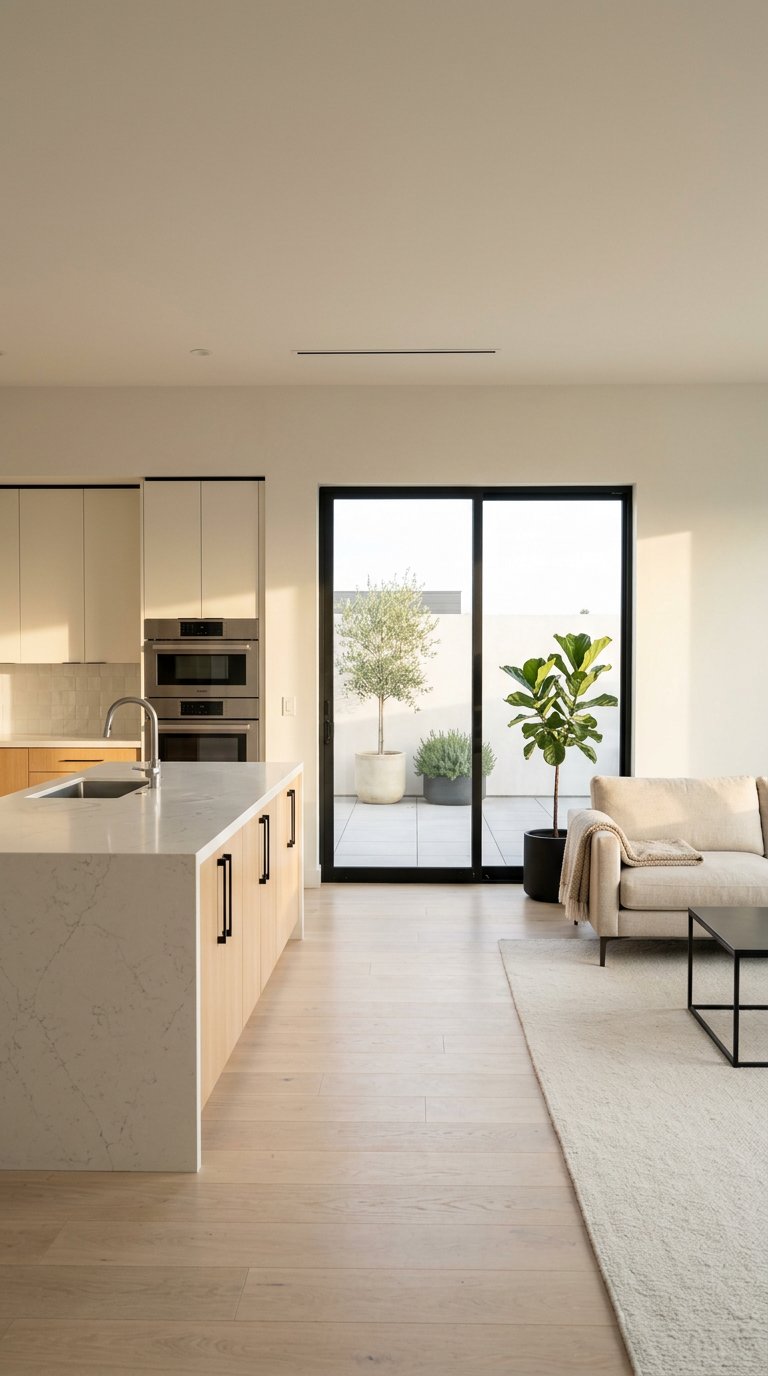
  • Minor kitchen refresh: refinish or paint cabinets, update counters, modern hardware, and newer appliances. The Cost vs. Value dataset shows strong recapture for this scope in the Pacific region.
  • Midrange bath refresh: new vanity, lighting, mirrors, and fixtures. The same dataset indicates recapture near 80 percent for midrange baths.
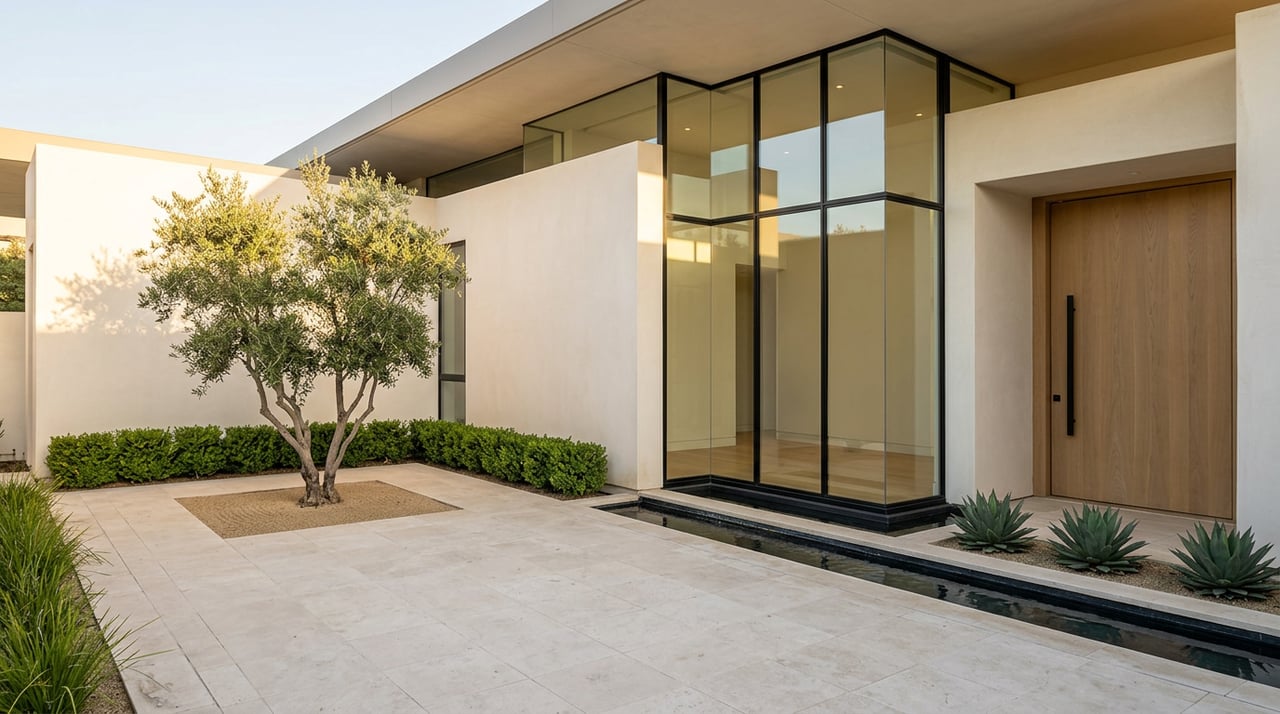
  • Curb appeal: front door, garage door, fresh paint, and simple landscaping can change first impressions quickly.
  • Systems confidence: roof maintenance, HVAC service, and proof of sewer lateral health can reduce buyer risk concerns.

Projects to rethink

  • Full luxury gut remodels done only for resale can be hard to justify at Saratoga price levels.
  • Major additions rarely net out unless they solve a clear market mismatch. Use a local CMA and the Saratoga land-value appraisal to understand how buyers in your micro-market credit interior improvements versus land.

Inspection and rules to know

Common inspection findings

Older Bay Area homes often show patterns inspectors watch closely: termite or other wood-destroying organism evidence, older plumbing and sewer issues, aged roofs, outdated wiring, drainage problems, and localized foundation concerns. A quick read on common inspection issues in older Bay Area homes can help you prioritize what to check early.

Sewer and onsite system rules

Saratoga has time-of-sale requirements related to sewer or onsite systems in certain situations. Depending on your property’s setup and proximity to public sewer, you may need to connect or provide a certified inspection or report before transfer. Review the Saratoga time-of-sale sewer and onsite system rules early so a failing lateral or septic issue does not delay closing.

If repairs are needed, check the West Valley Sanitation District annual report for information on private sewer lateral programs and resources that can affect Saratoga-area owners.

Disclosures and permits

California law requires sellers to disclose known material facts, including unpermitted work, in the Transfer Disclosure Statement. Ordering a pre-listing inspection can reduce surprises, but you must disclose what you learn. Here is a helpful overview of the pros and cons of a pre-listing inspection.

Unpermitted additions and major safety issues can affect buyer financing and appraisals. When those items are material and fixable at a reasonable cost, addressing them before listing often protects your timeline and net proceeds.

A simple decision framework

Use this step-by-step flow to compare “remodel” versus “sell as is.”

  1. Clarify goals and constraints
  • Set your target list date, minimum net proceeds, and tolerance for disruption.
  • Decide how much cash or credit you are willing to allocate to updates.
  1. Order two early checks
  1. Get contractor estimates
  • Separate safety or permit-required items from cosmetic updates.
  • Ask for realistic timelines, including lead times for materials.
  1. Request three pricing scenarios
  • Ask your agent for a CMA and pricing opinion for as is, minimally refreshed, and renovated presentations.
  • Use the Saratoga land-value appraisal and nearby comps to gauge how much interior work is typically credited.
  1. Compare net proceeds
  • Estimate sale price under each scenario.
  • Subtract renovation costs, permit fees, staging or preparation, carrying costs, and a risk buffer.
  • Add non-financial costs like time, stress, and move logistics.
  1. Handle lender-required items
  • If electrical hazards, active pest infestations, severe roof leaks, or unpermitted structures will block financing, plan to fix them or price for a cash-only sale.
  1. If selling as is
  • Market to the right audience and prepare for a smaller financed-buyer pool.
  • Disclose known issues fully in your TDS and local disclosures.
  1. If renovating
  • Prioritize high-recoup projects per the Cost vs. Value report and local guidance.
  • Confirm that major systems and the sewer lateral will not derail buyer financing.

What to fix before listing

These items often cause escrow delays, lender conditions, or buyer walkaways. If feasible, fix them first.

  • Active termite or other wood-destroying organism issues. See InterNACHI’s guidance on common WDO concerns.
  • Major roof leaks or failing roofs.
  • Open electrical hazards or antiquated, unsafe wiring.
  • Failing sewer lateral where municipal rules require inspection, repair, or connection.
  • Visible structural movement that affects safety or habitability.
  • Large unpermitted additions or conversions that lenders will not accept.

What you can often sell as is

These items are commonly negotiable if priced correctly and disclosed.

  • Dated kitchens or baths where fixtures still function.
  • Cosmetic wear and tear such as older flooring or paint.
  • Systems near end of life, if they operate and you price with that in mind.

Use your CMA to test buyer tolerance and likely concessions for each item.

Costs to expect if issues pop up

  • Sewer scope: usually $125 to $500 for a video inspection of the line, depending on access and length. Source: HomeGuide.
  • Sewer lateral repairs or replacement: small repairs can run $3,000 to $6,000, while more extensive trenchless or open-trench work often ranges from $6,000 to $20,000. Source: HomeAdvisor’s sewer main repair guide.
  • Termite treatment and wood repairs: cost varies widely with the extent of damage. Get bids from a licensed structural pest control contractor.

Selling as is: set expectations

Selling as is can make sense if speed and certainty matter more than top-dollar pricing, or if the home is primarily a land or lot-value play. Expect a smaller buyer pool and stronger price negotiation. If major safety or code issues are present, many financed buyers and lenders will require repairs. Pricing and marketing should reflect that reality.

Renovating smart, the Saratoga way

If you decide to renovate, focus on the sweet spot: modest kitchen and bath refreshes, curb appeal, and clear evidence that core systems are sound. Lean on the 2025 Cost vs. Value report to prioritize scope, then verify with a local CMA. Keep permits current and retain documentation for buyers and appraisers.

When you want a seamless plan, partner with a local, hands-on agent who can coordinate pre-sale preparation and staging. With access to Compass tools and Concierge-level support, you can present a polished, market-ready home without overbuilding for resale.

Ready to see your numbers side by side? Reach out to Chalet Kerr for a personalized, data-informed plan and a bilingual English or Mandarin consultation.

FAQs

Should I remodel before selling in Saratoga?

  • Often, yes for modest refreshes. Data shows midrange kitchens and some exterior projects can recoup much of their cost, while large gut remodels rarely pay off purely for resale.

What local rules can affect my sale if I sell as is?

  • Saratoga’s time-of-sale sewer and onsite system rules may require inspection, repair, or connection, which can affect timing and buyer financing. Review the local disclosure summary.

Which inspections should I do before listing?

  • Consider a general home inspection, a sewer scope, and a pest inspection. These target common issues in older Bay Area homes and can prevent last-minute surprises.

How much do sewer repairs usually cost?

  • A sewer scope runs about $125 to $500, and repairs range widely from a few thousand dollars to $20,000 depending on scope. See HomeGuide and HomeAdvisor for ballparks.

What are my disclosure duties if I sell as is?

  • You must still disclose known material facts, including unpermitted work, using California’s Transfer Disclosure Statement. As is refers to condition, not to your disclosure obligations.

How do I decide between updating and selling now?

  • Get a CMA with three scenarios, gather contractor bids, and compare net proceeds after costs and timing. Use the Cost vs. Value report as a guide and adjust for Saratoga comps.

Your Journey Awaits

Real estate isn’t just about property — it’s about people. Chalet takes the time to understand your story and guide you home with warmth and integrity.