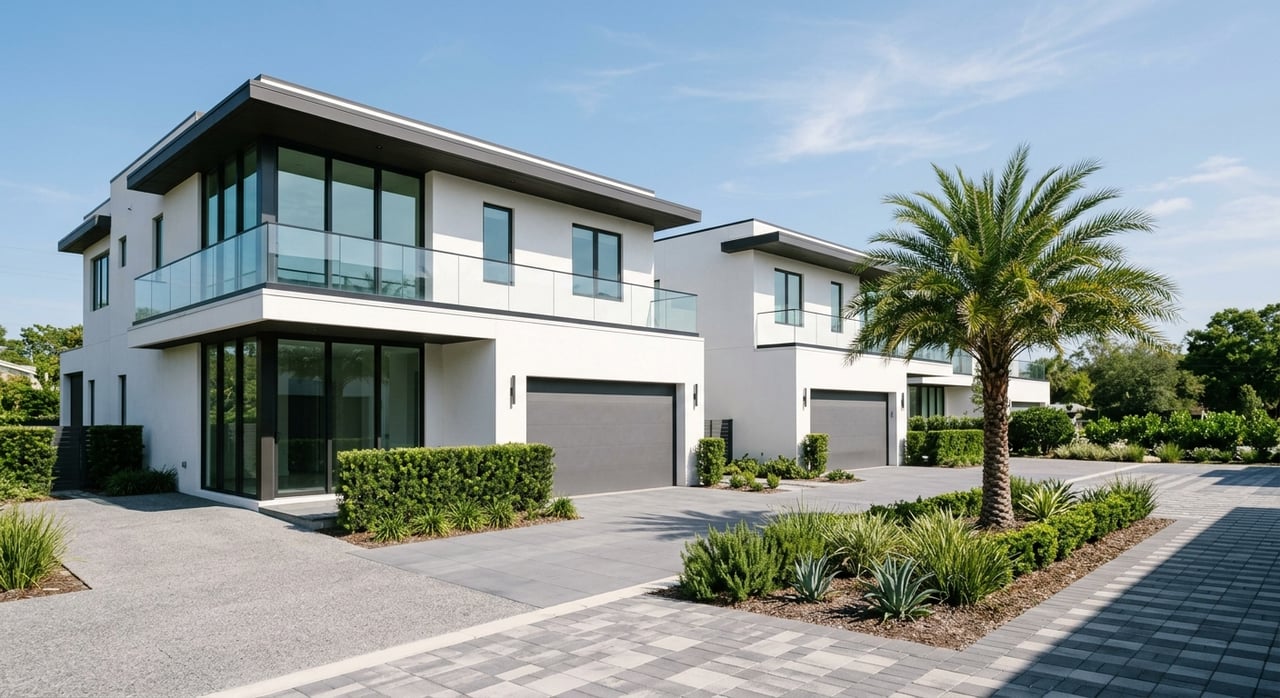
Relocating To Santa Clara For Tech: Housing Overview
Moving for a tech job can feel exciting and overwhelming at the same time. If Santa Clara is on your shortlist, you are probably trying to balance commute, housing type, budget, and timing all at once. The good news is that Santa Clara offers several distinct housing patterns, strong transit connections, and practical options for both short-term landing and long-term ownership. Let’s break down what you should know before you make your move.
Santa Clara sits in the middle of Silicon Valley and combines employment access with a wide mix of housing choices. It is a midsize city with about 133,132 residents and 50,088 households, which gives you an urban-suburban feel without being as large as some nearby cities.
For relocation, the city’s digital readiness also stands out. Census data shows 98.3% of households have a computer and 95.9% have broadband, which supports a market where remote tours, digital paperwork, and cross-time-zone communication fit naturally into the home search process.
Santa Clara is also a highly international community. According to Census QuickFacts, 57.1% of residents age 5 and older speak a language other than English at home, and 46.4% of residents are foreign-born. For many tech professionals and transferees, that makes bilingual support and clear communication especially valuable during a fast move.
If you are relocating to Santa Clara, it helps to start with realistic cost expectations. The city’s latest Census QuickFacts data reports a median value of owner-occupied homes of $1,582,600, median selected monthly owner costs with a mortgage above $4,000, and a median gross rent of $3,016.
Those numbers do not tell the whole story, but they do set the baseline. In simple terms, Santa Clara is a high-cost market, so your best fit often comes down to matching your housing type with your timeline, commute goals, and how long you expect to stay.
For many tech relocators, the smartest first step is not asking, “What is cheapest?” It is asking, “What kind of home fits my work routine and move timeline?” In Santa Clara, that question matters because housing types tend to cluster in different parts of the city.
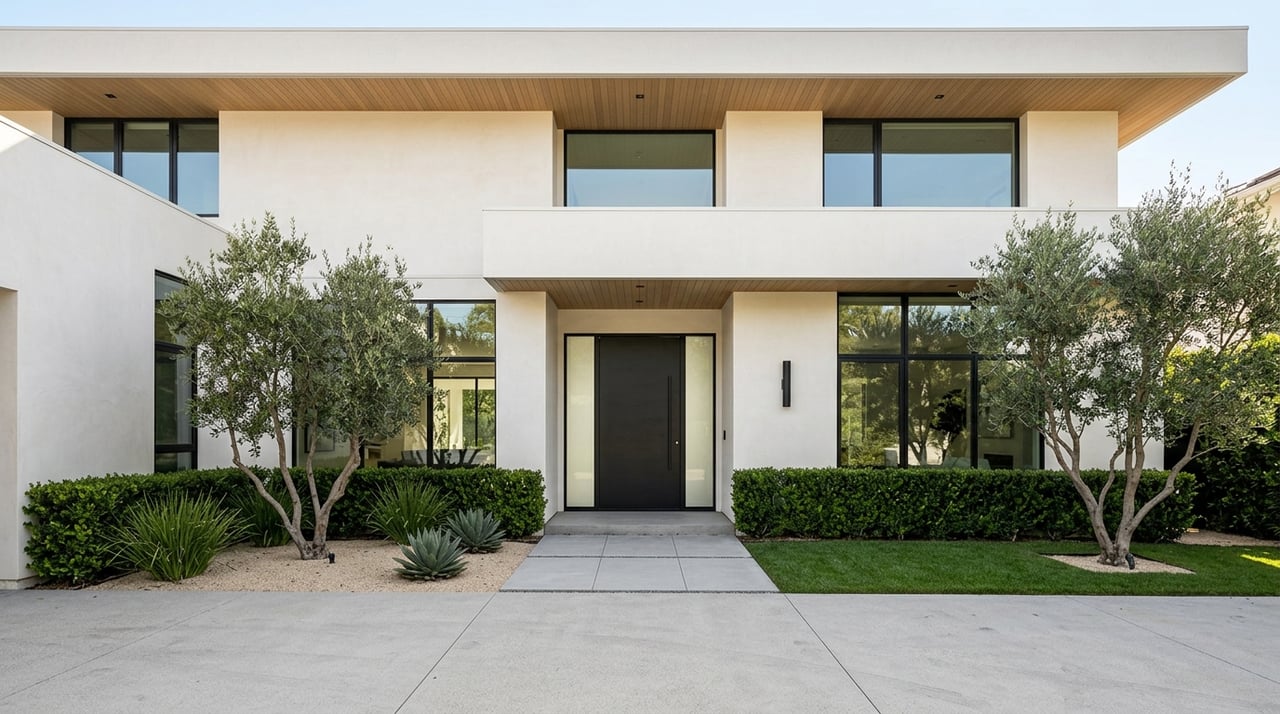
Detached single-family homes are more commonly found in lower-density areas outside the major station-area and corridor growth plans. If you want more space and are planning for a longer stay, this type of home may offer a better fit for daily life and long-term stability.
That said, inventory, commute tradeoffs, and price point can quickly narrow your options. For many buyers, detached homes work best when you are confident Santa Clara or nearby Silicon Valley communities align with your longer-term plans.
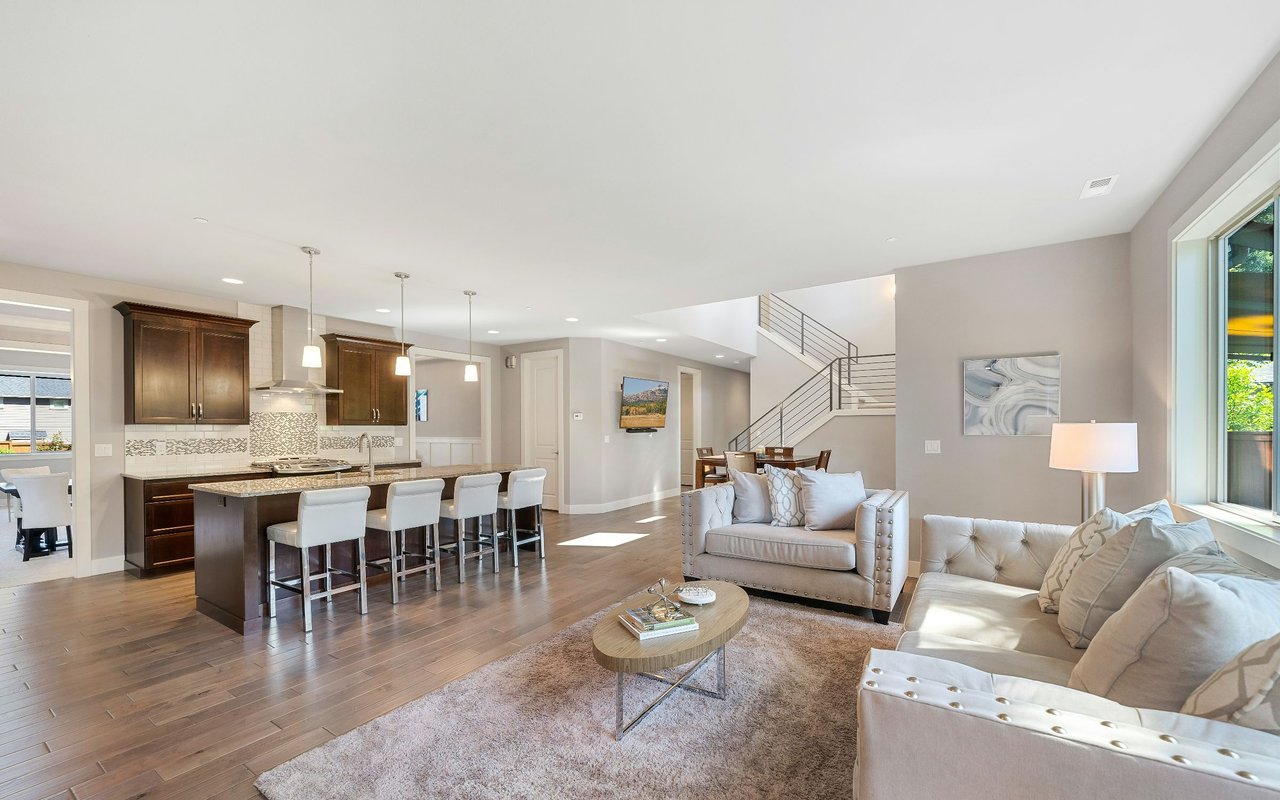
Townhomes and condos can be a strong middle ground if you want ownership with easier access to transit-oriented parts of the city. Based on the city’s planning framework, higher-density housing is concentrated in targeted growth areas rather than spread evenly across Santa Clara.
This means you are more likely to find attached housing near major corridors and station areas. If your priority is balancing commute access, lower maintenance, and a simpler transition into the market, this category often deserves a close look.
Apartments can make sense if you are moving quickly, still learning the area, or want flexibility before committing to a purchase. They are especially practical for out-of-area transferees who may need to start work before they have time to evaluate multiple neighborhoods and housing types.
In Santa Clara, apartment options are most likely to cluster near transit-oriented growth areas, near Santa Clara University, and around the stadium corridor. That can be helpful if you want to reduce driving or stay close to major transportation routes while you get settled.
Santa Clara’s growth strategy is shaped by specific planning areas. Instead of spreading new housing evenly throughout the city, local planning focuses on a handful of corridors and transit-connected districts.
Here are some of the key areas identified by the city:
For you as a relocator, this matters because these areas are the most likely places to find newer or more transit-oriented housing choices.
Commute planning is a major part of any tech relocation. Census QuickFacts reports a citywide mean travel time to work of 22.6 minutes, but your real commute experience will depend a lot on where you live and how close you are to rail, light rail, or key job corridors.
Caltrain’s zone map places Lawrence, Santa Clara, College Park, San Jose Diridon, and Tamien in Zone 4. That makes the central and south-city rail corridor especially relevant if you want a location with stronger regional train access.
VTA also identifies Great America Station, Santa Clara Station, and Santa Clara Transit Center among its system stations. If reducing car dependence is important to you, those transit-connected areas may deserve extra attention during your search.
Santa Clara University adds another layer to the local housing picture. The university is located at 500 El Camino Real and follows a residential campus model that includes on-campus living requirements for first- and second-year students, while some students also commute from within 20 miles of campus.
That helps explain why rental demand near the university can stay steady. For a tech relocator, housing near SCU may offer a useful mix of access to El Camino Real, nearby employment centers, and practical rental or condo options.
The area around Levi’s Stadium can appeal to buyers and renters who want strong transit access and an active environment. The city points visitors and riders to VTA light rail and bus, ACE, Caltrain, and the 511 Transit app for stadium access, which highlights how connected this area can be.
At the same time, stadium-area housing comes with tradeoffs. The city notes event-day traffic advisories, bicyclist and pedestrian detours, and trail closures around events and after sunset in some nearby areas. If you are considering a home near the stadium, it is worth weighing convenience against noise, traffic, parking impacts, and event-day activity.
Relocating from another city or state often means your housing search needs to move faster than a local move. The research suggests a practical plan starts with financing, because sellers frequently require a preapproval letter and those letters often expire within 30 to 60 days.
That creates a fairly tight decision window. If you are buying, your financing, tours, and offer strategy should be coordinated so you are ready to act without rushing blindly.
A simple timeline can look like this:
The research also notes that the lender must provide the Closing Disclosure at least three business days before closing. For a relocation move, that is one more reason to keep timelines organized from the beginning.
If you are moving to Santa Clara for tech, it often helps to think in three layers: housing type, commute pattern, and timing. Detached homes may suit buyers focused on space and long-term stability. Townhomes and condos may fit those who want ownership with convenience and access. Apartments may be the easiest first step if you need flexibility or a quick landing spot.
Because Santa Clara is both transit-connected and fast-moving, the right plan is usually very personal. A thoughtful search, strong local guidance, and clear communication can reduce friction and help you make confident decisions even on a tight timeline.
Whether you are buying, renting, or planning a phased move, working with a local, bilingual advisor can make the process far easier to manage. If you are planning a move to Santa Clara, Chalet Kerr can help you navigate Silicon Valley housing options with hands-on guidance, local market insight, and clear communication from start to finish.
Stay up to date on the latest real estate trends.




Real estate isn’t just about property — it’s about people. Chalet takes the time to understand your story and guide you home with warmth and integrity.
CHALET KERR | CA DRE# 01975585
750 University Ave Ste 150 Los Gatos, CA 95032