Living in Mountain View: Castro Street, Shoreline, and More
If you want a Silicon Valley city that gives you both an active downtown and real outdoor escape, Mountain View stands out fast. You can grab dinner on Castro Street, catch a performance downtown, and still be close to trails, open space, and Shoreline’s waterfront recreation. If you are thinking about moving here, this guide will help you understand how Mountain View lives day to day, from its urban core to its park side. Let’s dive in.
Mountain View is a compact city between San Francisco Bay and the Santa Cruz Mountains, and that shape affects how it feels to live here. It is more transit-oriented and more urban than many nearby suburbs, while still offering access to parks and neighborhood areas that feel quieter.
The city had an estimated population of 87,316 as of July 1, 2024, according to the Census Bureau. It covers 11.96 square miles, with about 6,889 people per square mile, which helps explain why daily life can feel more connected, walkable, and active than in lower-density parts of Silicon Valley.
Mountain View also reflects a broad mix of residents and backgrounds. Census QuickFacts shows 36.3% Asian alone, 17.5% Hispanic or Latino, and 42.9% foreign-born, while the city describes itself as a diverse community with strong neighborhoods and citizen involvement.
Castro Street is the heart of downtown Mountain View. The city describes this stretch between Evelyn Avenue and El Camino Real as a mixed-use core with restaurants, shopping, performing arts, a civic center and plaza, and convenient transit access.
If you like the idea of doing more without getting in your car, this part of Mountain View is a major draw. Downtown is designed to be active and walkable, and recent city changes have added public seating, social zones, patio areas, and a pedestrian mall along the 100, 200, and 300 blocks of Castro Street.
That means your everyday routine can feel a little more flexible here. Coffee runs, casual dinners, errands, and evenings out can happen within the same central area, which is a lifestyle many buyers and renters are specifically looking for.
This is not a downtown that goes quiet after office hours. The city’s Music on Castro program brings recurring live performances to the 200 block of Castro Street, adding another layer to the dining and shopping scene.
The Mountain View Center for the Performing Arts at 500 Castro Street also anchors the arts side of downtown. If you want a city where public events and local activity are part of the rhythm of the week, downtown Mountain View has that energy.
Mountain View is not standing still. The city is updating the Downtown Precise Plan, which will guide future land use and public-realm changes.
For you as a buyer or renter, that matters because the downtown experience is being actively shaped. The core already offers a strong mix of uses, and future planning may continue to refine how people move through, gather in, and live around this central district.
One of the biggest reasons Mountain View feels distinct is Shoreline at Mountain View. The city describes Shoreline as a 750-acre regional park and wildlife area, and it is much more than a typical neighborhood park.
Here, you get trails, a 50-acre sailing lake, an 18-hole golf course, a dog park, a kite-flying area, athletic fields, restaurants, and the historic Rengstorff House. Shoreline Amphitheatre sits next to the park, adding a well-known event venue to the area’s recreation mix.
If your ideal lifestyle includes outdoor time built into the week, Shoreline is a major advantage. It creates a sense of open space that balances Mountain View’s denser, more urban center.
Shoreline is one of the few places in the area where recreation feels especially varied. City visitor materials highlight kayaking and sailing on Shoreline Lake, along with a wildlife sanctuary that supports rare migratory birds.
The trail network is used by pedestrians, joggers, and bicyclists, which gives you multiple ways to enjoy the area. Whether you want a long walk, a bike ride, or a more destination-style weekend outing, Shoreline gives you options.
Beyond Shoreline, Mountain View’s broader park system adds to the city’s everyday appeal. The city manages 45 urban parks and about 9.95 miles of bicycle and pedestrian trails.
Parks such as Cuesta Park and Rengstorff Park provide smaller-scale amenities residents use regularly, including playgrounds, lawns, dog areas, sports courts, walking paths, and picnic space. In practical terms, that means outdoor access is not limited to one major destination.
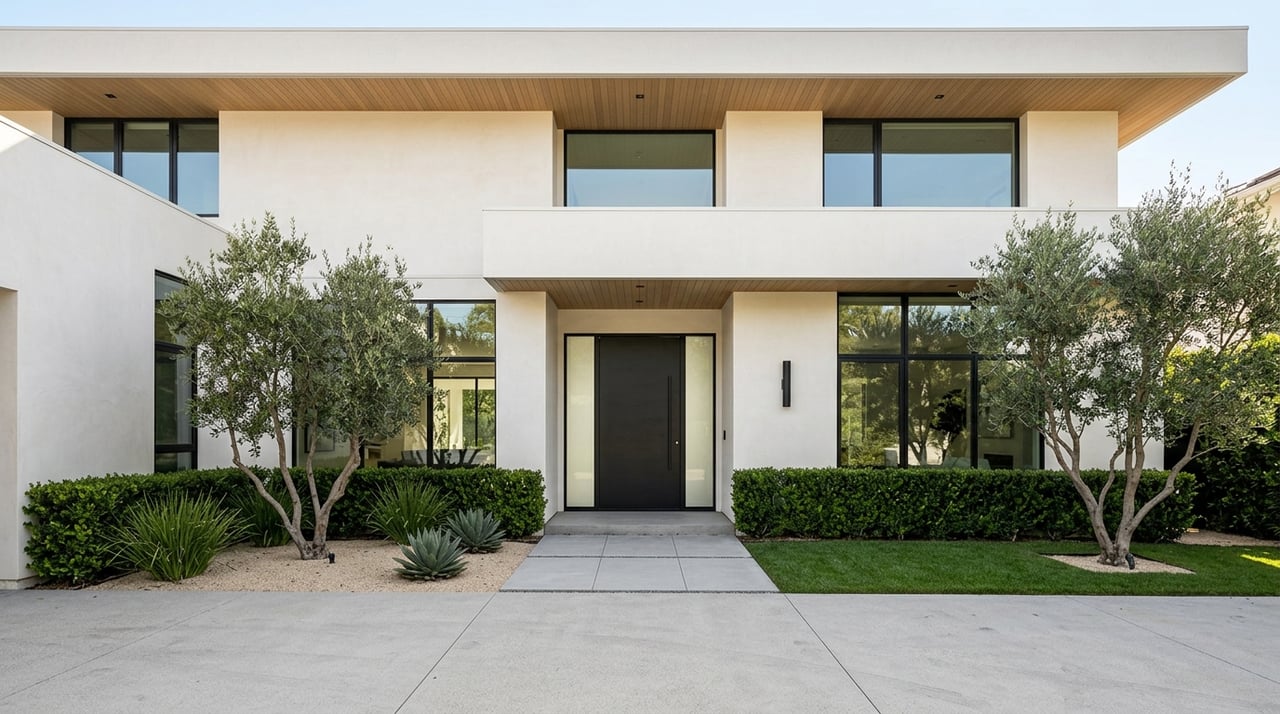
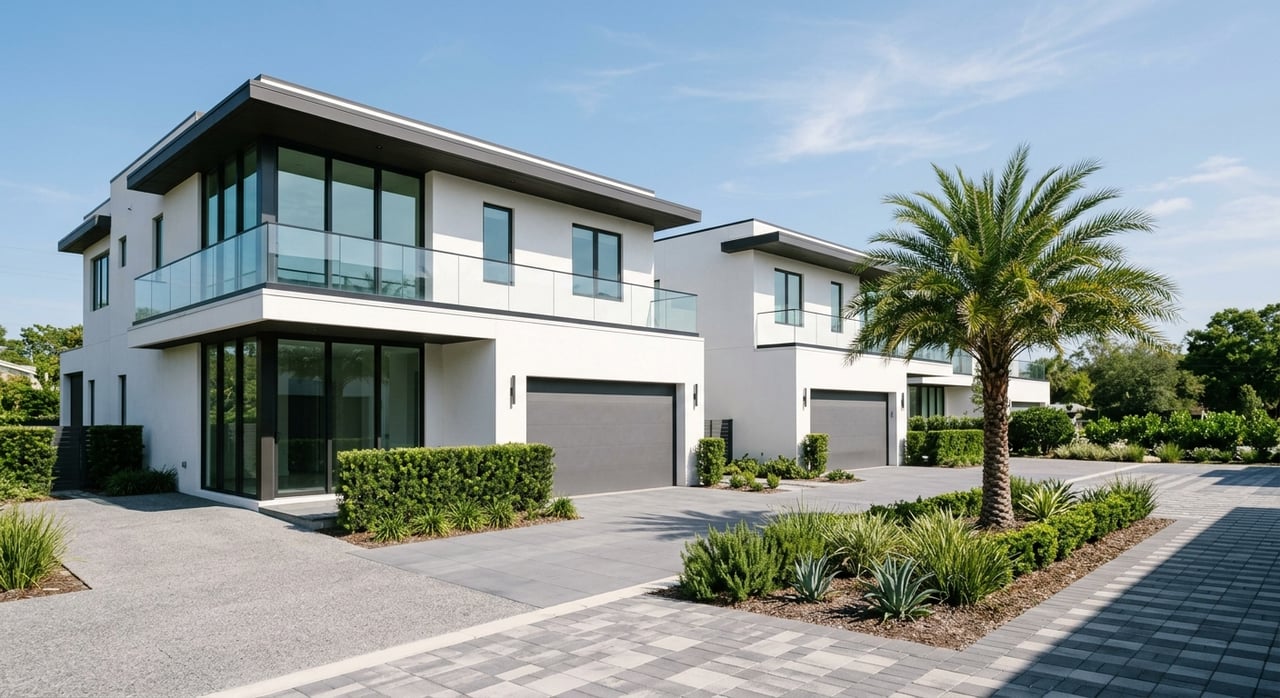
Mountain View’s housing story is best understood as a mix, not a single style. The city’s General Plan describes downtown as an area with low- to high-intensity commercial and residential development, while low- and medium-intensity neighborhoods surround the central area.
That pattern creates different lifestyle options depending on what matters most to you. Some buyers want to be closer to downtown and transit, while others prefer a quieter residential setting with a different housing type or street feel.
One especially notable local housing style is the Eichler home. The city’s historic context statement identifies the Monta Loma Eichler tract as a mid-century modern subdivision approved in 1952, and describes Eichler homes as known for indoor-outdoor design, post-and-beam structure, and modernist character.
If you appreciate architecture, this is one of Mountain View’s more recognizable single-family home styles. It also reflects how the city’s housing stock can feel more varied and design-conscious than people sometimes expect.
Mountain View is also planning for more multifamily and mixed-use development in key areas. East Whisman is described as a transit-oriented employment center with room for new residential and commercial uses, while North Bayshore is envisioned as a highly sustainable commercial and residential district with public improvements and transportation planning.
For buyers, renters, and relocating professionals, this matters because it reinforces Mountain View’s long-term identity as a place where housing, jobs, and transportation are closely connected.
The current housing picture is competitive and expensive. Census QuickFacts reports an owner-occupied housing rate of 38.6%, a median owner-occupied home value of $1,927,000, and median gross rent of $3,062.
Those figures point to a renter-heavy market with high pricing, which is important context if you are comparing Mountain View with other Silicon Valley cities. Your strategy here usually needs to be clear, realistic, and tailored to your budget and timing.
Mountain View is unusually well connected for a city its size. The city notes direct access to U.S. 101, State Route 85, State Route 237, El Camino Real, and Central Expressway, along with sidewalks, bike lanes, and multi-use trails such as Stevens Creek Trail and Permanente Creek Trail.
For many residents, that means you are not limited to one commute style. Driving is available, but transit, biking, walking, and shuttle connections are also part of the practical transportation picture.
Downtown’s Transit Center is a major local hub. It serves Caltrain, VTA light rail, VTA bus, the Mountain View Community Shuttle, and MVgo.
VTA also confirms a Caltrain connection at Mountain View Station. If you commute within the Peninsula or connect into other parts of Silicon Valley, that kind of access can make a real difference in your day.
A common question is whether you can live car-light in Mountain View. Based on the city’s transportation and sustainability materials, the answer is yes.
The city explicitly promotes transit, shuttles, bicycling, and walking as practical everyday options. MVgo connects the Transit Center with North Bayshore, East Whisman, San Antonio, and downtown Mountain View, while the city’s free Community Shuttle operates throughout town with 50 stops.
Mountain View’s transportation network is also still evolving. Caltrain’s Castro Street grade-separation project is intended to improve safety, capacity, and multimodal access to Mountain View Station, the larger transit center, and downtown.
For future residents, that is worth watching because station access and street-level movement are important parts of daily convenience in a city with a strong transit core.
Mountain View often appeals to people who want flexibility in how they live. You may be a strong fit if you want a walkable downtown, practical transit options, and meaningful access to parks and trails without giving up a central Silicon Valley location.
It can also be appealing if you are relocating for work and want a city where daily logistics feel manageable. The mix of transit, shuttles, downtown activity, and varied housing types gives you more than one way to make the city work for your routine.
At the same time, it helps to go in with clear expectations about cost. With high home values and rents, planning your search carefully matters whether you are buying, leasing, or preparing to sell and move within the area.
If you are considering Mountain View, the best first step is to define the lifestyle you want before narrowing in on housing. Do you want to be closer to Castro Street and the Transit Center, or would you rather prioritize a quieter residential setting with easy park access?
From there, compare housing type, commute pattern, and day-to-day convenience. In a market with both central density and neighborhood variety, the right fit usually comes from matching your routine to the right part of the city.
Whether you are buying, selling, relocating, or looking at lease options in Silicon Valley, local guidance can help you move faster and with more confidence. If you want a thoughtful, data-driven plan for your next move, Chalet Kerr can help you evaluate Mountain View with clear advice and hands-on support.
Stay up to date on the latest real estate trends.
Real estate isn’t just about property — it’s about people. Chalet takes the time to understand your story and guide you home with warmth and integrity.
CHALET KERR | CA DRE# 01975585
750 University Ave Ste 150 Los Gatos, CA 95032