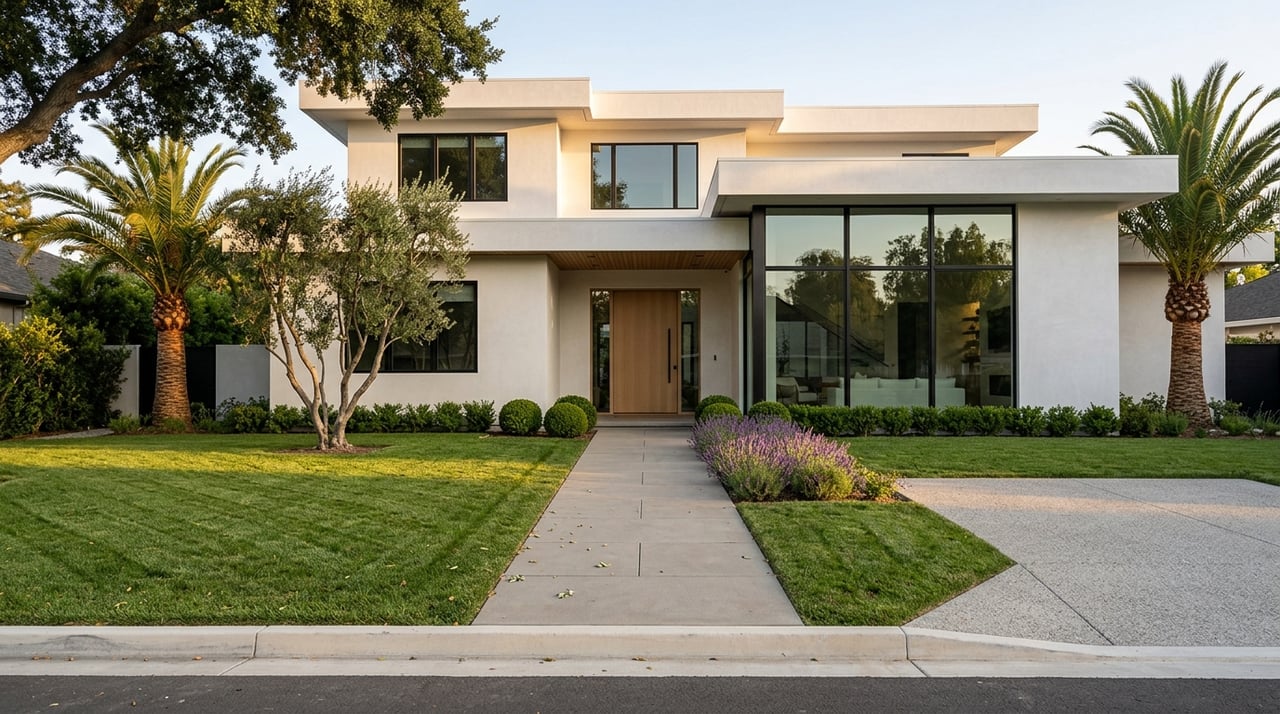
Living in Los Altos: A Closer Look at Daily Life
If you are thinking about a move to Los Altos, you are probably asking a simple question: what does daily life actually feel like there? In a region known for fast schedules and intense housing costs, Los Altos stands out for its quieter pace, polished public spaces, and village-style downtown. Whether you are relocating for work, moving up within Silicon Valley, or simply narrowing down neighborhoods, this guide will help you understand what to expect from living in Los Altos. Let’s dive in.
Los Altos is a small city with 30,864 residents spread across 6.54 square miles, according to the U.S. Census QuickFacts for Los Altos. That scale shapes a lot of daily life.
You are not moving into a dense urban center or a sprawling suburb with endless commercial strips. Instead, Los Altos offers a more compact, residential setting that many people describe as calm, organized, and easy to navigate.
The city’s community overview highlights tree-lined streets, civic amenities, shopping districts, public art, local creeks, the history museum, and the main library. Taken together, those details point to a place where day-to-day life often revolves around neighborhood errands, local gathering spots, and community spaces rather than large retail hubs.
For many residents, downtown is the heart of Los Altos. It is one of the clearest reasons the city feels distinct within Silicon Valley.
According to the city’s downtown design guidelines, the area is designed to support a village character, a pedestrian environment, and a mix of retail, restaurants, offices, and residences. Main Street and State Street form the core pedestrian retail area, with courtyards, paseos, and public parking helping the district stay accessible without losing its small-scale feel.
That matters in everyday life. If you enjoy being able to grab coffee, meet a friend for lunch, browse local shops, or run a few errands without feeling like you are in a major commercial zone, downtown Los Altos is likely to appeal to you.
Los Altos tends to support a more local rhythm. Instead of planning your week around big-box trips, you may find yourself making shorter, more frequent stops in and around downtown and nearby service areas.
That can be especially attractive if you value walkability in key pockets, attractive streetscapes, and a community setting that feels intentional rather than overbuilt.
One of the biggest lifestyle advantages in Los Altos is how easy it is to spend time outdoors. Even though the city is relatively compact, it maintains a strong park system.
The city’s parks page lists places like Grant Park, Shoup Park, Heritage Oaks Park, Rosita Park, Hillview Park, Redwood Grove, and McKenzie Park. Amenities across the system include playgrounds, picnic areas, tennis, pickleball, soccer, baseball, basketball, a dog park, public art, and restrooms.
The city also notes that it maintains 52.5 acres of city parks and 42 acres of street and boulevard landscaping, along with downtown trees and planters. That helps explain why Los Altos often feels especially well-kept and visually polished.
If you want a more natural setting without leaving town, Redwood Grove is one of the standout spots. The city describes it as a 6.12-acre nature preserve with a boardwalk along Adobe Creek, a hillside trail, picnic tables, and no motor vehicles allowed inside.
For residents, that means you can fit a quick nature walk into a regular weekday instead of saving all outdoor time for the weekend. It feels less like a typical neighborhood park and more like a tucked-away retreat.
If your ideal weekend includes longer hikes, Los Altos also benefits from nearby regional open space. Rancho San Antonio Preserve has more than 25 miles of trails across a 2,180-acre preserve and a connected 293-acre county park, plus Deer Hollow Farm.
Midpen notes that its preserves are open free of charge and are generally accessible from a half-hour before sunrise until a half-hour after sunset. For many buyers, this kind of nearby outdoor access becomes a major part of the value of living in Los Altos.
Los Altos is not centered on a rail station, so transportation is a mix of driving, bus service, biking, and connecting to nearby regional transit. That is an important part of the lifestyle to understand before you move.
The city’s Transportation Division oversees active transportation projects, transportation policy, Safe Routes to School efforts, resurfacing, and the Complete Streets Master Plan. This reflects an ongoing focus on mobility, even though the city itself is primarily residential.
VTA provides service in Los Altos and throughout Santa Clara County. Current route information shows practical bus access along major corridors, especially El Camino Real.
Route 22 connects Palo Alto Transit Center to Eastridge along El Camino Real, while Route 52 runs from Foothill College to Mountain View Transit Center via El Monte. If you expect to use transit regularly, your experience will depend a lot on how close you are to these corridors and transfer points.
For rail commuters, the closest options are not in Los Altos itself. Caltrain station information shows nearby stations including Palo Alto, California Avenue, San Antonio, and Mountain View.
Mountain View is especially useful because it also connects to multiple VTA bus lines and light rail. In practical terms, many Los Altos residents who use rail rely on a short drive, bike ride, or bus connection to reach a station.
Los Altos has long been shaped by a strong single-family residential pattern. The city’s Housing Element page notes that residents overwhelmingly wanted to preserve the city’s quiet and serene character and the single-family zoning of neighborhoods.
City planning materials also describe much of the housing stock as low-density neighborhoods with 10,000-square-foot minimum lots, with many homes built in the 1950s and 1960s. These areas often include single-story California Ranch-style homes, mature trees, larger yards, and relatively narrow streets.
If you are shopping in Los Altos, you will likely notice a consistent residential feel across many areas. Larger lots, established landscaping, and lower-density development are a major part of the city’s appeal.
At the same time, Los Altos is not made up only of detached homes. The city’s affordable housing page notes that the housing mix includes single-family homes, second living units, and multifamily units, with market-rate housing making up most of the inventory.
Los Altos also allows accessory dwelling units and junior accessory dwelling units on qualifying single-family and multifamily properties, and the city offers a pre-approved ADU program through its housing resources. For some homeowners, that creates useful flexibility for multigenerational living, guest space, or rental income.
This is one of the ways Los Altos can evolve while still keeping its low-density character.
Los Altos is firmly on the expensive end of the Bay Area market. The latest Census data shows 81.7% owner occupancy, $250,000+ median household income, $2,000,000+ median home value, and $3,500+ median gross rent.
Those numbers tell a clear story. Living in Los Altos often means paying a premium for space, location, neighborhood character, and access to Silicon Valley job centers and amenities.
For many buyers and renters, the key question is not whether Los Altos is affordable in a broad sense. It is whether the lifestyle and housing environment align with what you value most.
Los Altos can be a strong fit if you are looking for:
It may be less ideal if you want a dense, transit-first lifestyle or a lower price point. The tradeoff is fairly straightforward: you get a polished, village-style environment and strong outdoor access, but you usually pay more for it.
In practical terms, living in Los Altos often feels like choosing calm over congestion. You get a community with a distinct identity, a downtown designed around pedestrians, well-maintained parks, and close access to both daily conveniences and regional open space.
That does not mean it is casual or inexpensive. It is a premium market with a very specific lifestyle profile. But if you want a residential Silicon Valley setting that feels refined, established, and community-oriented, Los Altos is easy to understand once you spend time there.
If you are considering a move to Los Altos or comparing it with other Silicon Valley communities, Chalet Kerr can help you evaluate the tradeoffs, understand local housing options, and build a move plan that fits your goals.
Stay up to date on the latest real estate trends.

Real estate isn’t just about property — it’s about people. Chalet takes the time to understand your story and guide you home with warmth and integrity.
CHALET KERR | CA DRE# 01975585
750 University Ave Ste 150 Los Gatos, CA 95032