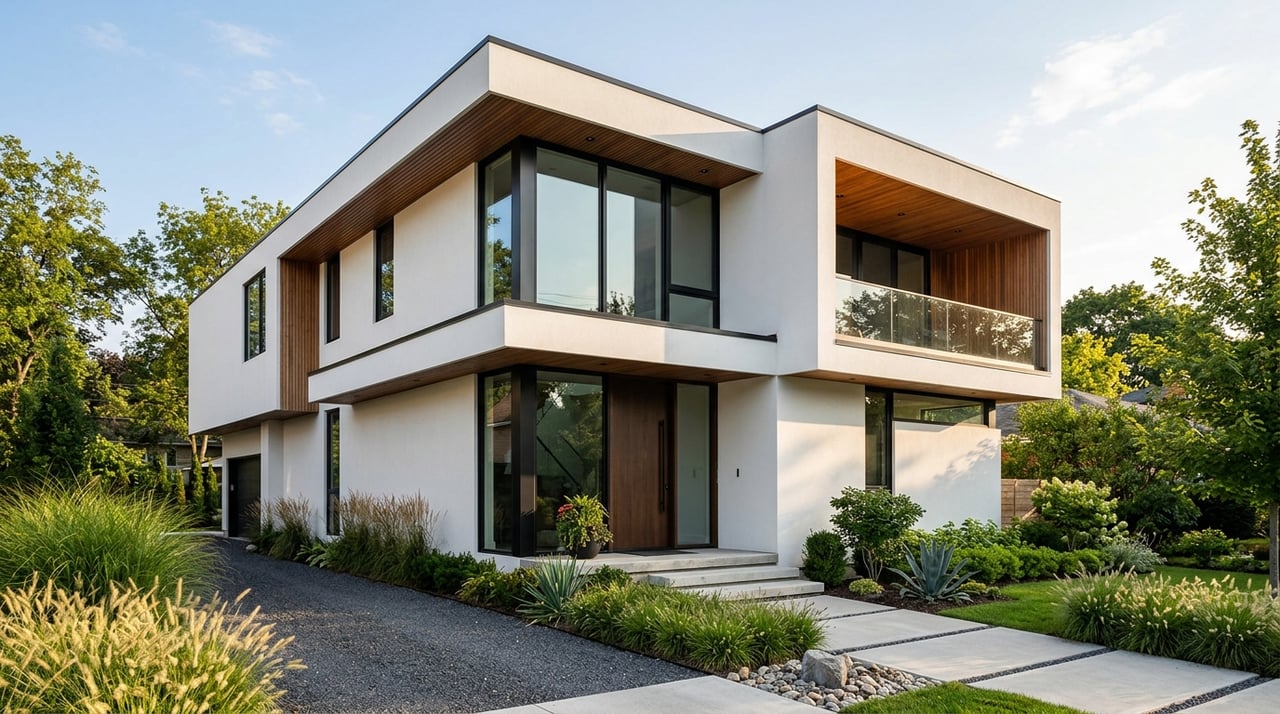
Cupertino vs Mountain View Housing: How to Choose
Trying to choose between Cupertino and Mountain View? If you are relocating to Silicon Valley or planning your next move within Santa Clara County, this decision can shape your daily routine in a big way. The good news is that both cities offer strong housing demand, established neighborhoods, and access to major employers, but they serve different lifestyles. This guide will help you compare home types, commute patterns, and day-to-day living so you can narrow your search with more confidence. Let’s dive in.
Cupertino and Mountain View sit relatively close to each other, but they feel different once you look at how each city is organized. Cupertino is more residential and corridor-based, with shopping and services spread along major streets such as Stevens Creek Boulevard, Wolfe Road, De Anza Boulevard, and Homestead Road.
Mountain View has a more defined downtown core. The city describes Castro Street as the historic center and civic focus, with a pedestrian-oriented mix of restaurants, retail, offices, and mixed-use buildings tied closely to the transit center.
In simple terms, Cupertino often feels more neighborhood-forward, while Mountain View often feels more walkable and transit-linked. That is the core tradeoff many buyers are weighing.
Cupertino is a good fit if you picture day-to-day life in a primarily residential setting with easy access to shopping, parks, and major commute roads. The city highlights tree-covered neighborhoods that reach toward the Santa Cruz foothills, which gives parts of Cupertino a distinct foothill-edge character.
Instead of one dominant downtown, Cupertino functions through several commercial corridors. That can be practical if you prefer driving short distances for errands rather than relying on a central main street for most dining and shopping.
Memorial Park is one of the city’s key civic anchors. It includes a 22-acre park, amphitheater, softball field, tennis courts, and is next to the senior center, community center, and sports center. For many buyers, that points to a city where residential life and civic amenities are closely connected.
Mountain View may appeal to you if you want more activity concentrated around a recognizable downtown. Castro Street is the city’s central spine, and it connects dining, retail, offices, and mixed-use spaces in a more urban format than you typically find in Cupertino.
Transit is a major part of Mountain View’s identity. Its transit center brings together Caltrain, VTA light rail, buses, shuttles, and bike access, making it a strong option for buyers who want more than just freeway convenience.
Mountain View also offers a broader range of public outdoor spaces. The city maintains 45 urban parks and 9.95 miles of bicycle and pedestrian trails, and Shoreline at Mountain View adds a very different recreational setting with bayfront open space, trails, a lake, golf, wildlife refuge areas, and amphitheater access.
One of the most practical ways to compare these cities is by looking at the housing stock. If you care a lot about the kind of home you are most likely to find, this is where the choice often becomes clearer.
Cupertino’s 2023 to 2031 Housing Element describes the city as built out, with limited land availability and very high land and housing costs. Its housing stock summary shows 57% single-family units, 21% multifamily, 12% attached units, and 10% duplex, triplex, and fourplex units.
That suggests Cupertino still leans more heavily toward detached-home inventory. If you are starting your search with a strong preference for a single-family home, Cupertino may give you a more natural starting point.
Mountain View’s housing-needs assessment paints a different picture. As of 2020, the city’s housing stock was 29.1% single-family detached, 12.6% single-family attached, 8.4% multifamily in 2 to 4 unit buildings, 47.0% multifamily in 5+ unit buildings, and 2.9% mobile homes.
The city also notes opportunity sites and pipeline projects in its 2023 to 2031 Housing Element planning. Directionally, that points to a market with more condos, townhomes, and larger multifamily communities, especially near downtown and growth areas.
If your must-have list starts with more space, a detached home, and a neighborhood-driven setting, Cupertino may line up better with your goals. The city’s housing mix supports that preference more directly.
If you want a broader menu of attached housing, mixed-use living, or options closer to transit and downtown activity, Mountain View may offer a better fit. The local housing stock suggests more variety in those categories.
Because these figures come from different planning documents and base years, it is best to use them as a directional guide rather than a live inventory count. Still, they are very useful for setting expectations before you begin touring homes.
In Silicon Valley, your commute can influence your home choice almost as much as the property itself. Even when two cities are close on a map, the daily experience can feel very different based on your office location and transportation preferences.
Cupertino’s transportation profile is centered more on road access and connecting transit options. The city points to I-280, State Route 85, Lawrence Expressway, and Foothill Expressway as major connections, along with VTA bus routes and SV Hopper links to Sunnyvale, Mountain View, and Santa Clara Caltrain stations.
That means Cupertino can work well if you expect to drive frequently or use shuttle and bus connections as part of your routine. Rail access exists, but it is not as direct as it is in Mountain View.
Mountain View offers a denser regional transportation network. The city cites access to U.S. 101, State Route 85, State Route 237, El Camino Real, and Central Expressway, along with a downtown transit center that serves Caltrain, VTA light rail, buses, private shuttles, the Mountain View Community Shuttle, and MVgo.
The Mountain View Community Shuttle is free and serves 50 stops. MVgo also connects the transit center to North Bayshore, East Whisman, San Antonio, and downtown, which can make a real difference if you want alternatives to driving.
For many buyers, the simplest deciding factor is employer access. If your work is centered around Apple Park or Cupertino’s nearby employment corridors, Cupertino can reduce commute friction.
Apple lists One Apple Park Way in Cupertino as its corporate address. For buyers who want to stay close to that campus, Cupertino often makes practical sense.
Mountain View is the clearer match for many Google-centered commutes. Google lists offices at 100 Bay View Drive and 1600 Amphitheatre Parkway in Mountain View, and also identifies its Mountain View store at 2000 N. Shoreline Boulevard in the heart of its campus.
If your office routine is tied to Googleplex, Bay View, or other transit-connected Mountain View destinations, Mountain View may give you a more efficient daily setup. In that case, commute convenience could outweigh other lifestyle preferences.
If you are still deciding, it can help to reduce the choice to three practical questions.
This framework is useful because it keeps the decision tied to how you actually live. The better city is usually not the one that sounds best in theory. It is the one that supports your home type, daily mobility, and work location with the least friction.
Both Cupertino and Mountain View can be strong choices, but they solve different problems for different buyers. Cupertino tends to suit buyers who prioritize detached homes, residential surroundings, and access to Cupertino-based commute routes. Mountain View tends to suit buyers who want a more urban pattern, a defined downtown, and stronger direct transit connections.
If you are relocating, moving up, or narrowing a Silicon Valley home search, the most helpful next step is often comparing specific neighborhoods, property types, and commute routes side by side. If you want tailored guidance on where to focus, Chalet Kerr can help you build a short list that fits your goals, timeline, and lifestyle.
Stay up to date on the latest real estate trends.



Real estate isn’t just about property — it’s about people. Chalet takes the time to understand your story and guide you home with warmth and integrity.

CHALET KERR | CA DRE# 01975585
750 University Ave Ste 150 Los Gatos, CA 95032