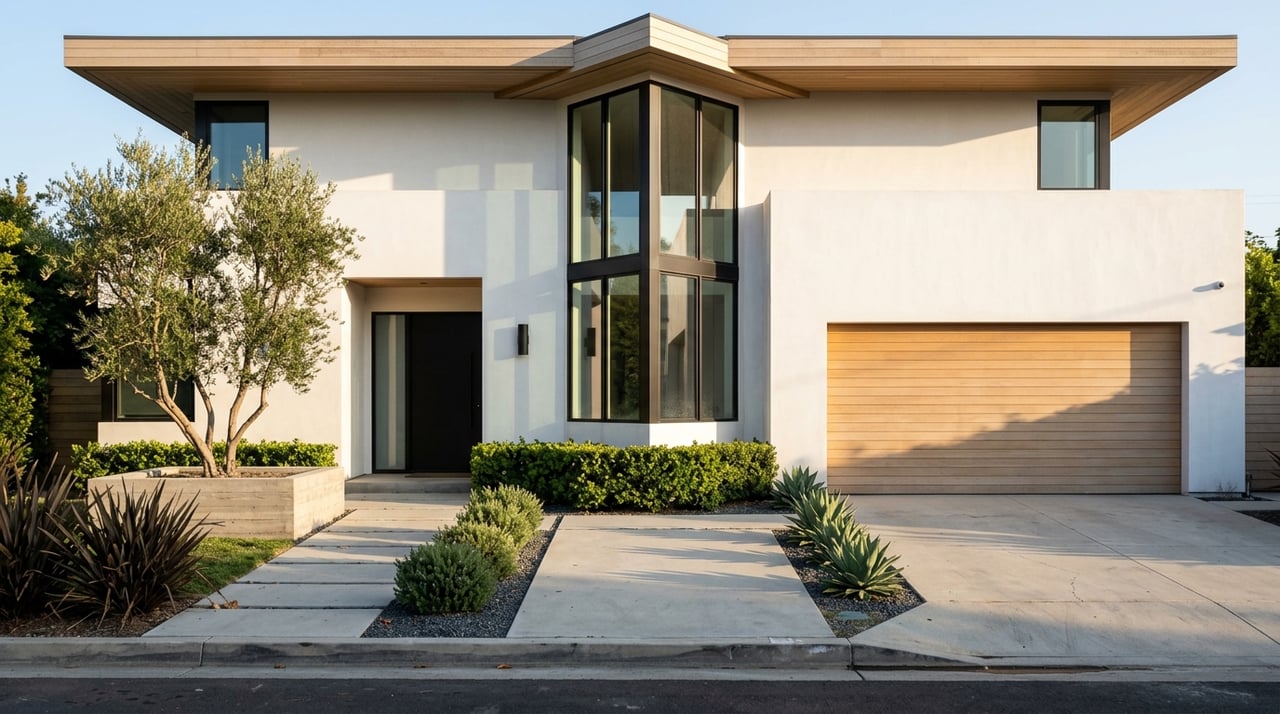
Mountain View Townhome vs House: Which Home Works Best?
Trying to choose between a townhome and a house in Mountain View? You are not alone. In a city where home prices are high, inventory is limited, and attached housing plays a major role in the market, this decision often comes down to tradeoffs rather than a simple upgrade path. If you are weighing budget, commute, privacy, maintenance, and future flexibility, this guide will help you sort through the decision with a clear Mountain View lens. Let’s dive in.
Mountain View is a small, high-cost city with about 87,000 residents packed into roughly 12 square miles. Local census data shows a median household income above $213,000 and a median owner-occupied home value near $1.93 million to $1.95 million. At the same time, only 38.8% of housing units are owner-occupied, which highlights how competitive and constrained the ownership market can feel.
That context matters because Mountain View is not a market dominated by detached houses alone. City planning documents describe the housing stock as predominantly multifamily, and the city is planning for more than 11,000 new housing units in the 2023 to 2031 cycle. In practical terms, attached homes are a core part of the local ownership market, not a fallback option.
For many buyers, the first big difference is cost. The City of Mountain View’s 2025 report on residential properties with a change in ownership shows a 2024 median price of $1,276,500 for condo and townhome properties, compared with $2,680,000 for detached single-family homes. That is a major gap, and it shapes what is realistic for many buyers.
Still, price is only one part of the equation. Your daily routine, comfort with HOA rules, desire for outdoor space, and long-term plans for the property may matter just as much as the purchase price.
| Factor | Townhome | Single-Family House |
|---|---|---|
| Entry price | Usually lower | Usually higher |
| HOA dues | Common | Typically none |
| Exterior maintenance | Often reduced | Usually your responsibility |
| Privacy | More shared walls or common areas | More separation and control |
| Yard space | Often limited | Usually more available |
| Remodeling flexibility | Often more restricted | Typically more flexible |
| Transit convenience | Often stronger near Downtown and corridors | Varies by area |
If your top goal is getting into the Mountain View ownership market, a townhome may offer the more realistic path. The local median price difference between attached homes and detached homes is substantial. That lower upfront price can make a meaningful difference in your down payment, monthly payment, and overall buying power.
This can be especially important if you are balancing housing costs with other priorities, such as commuting, saving for future upgrades, or keeping more financial flexibility after closing. In Mountain View, a townhome is often the compromise that makes ownership possible without leaving the city.
Many buyers like townhomes because exterior maintenance is often more limited on the owner side. HOA boards typically maintain common areas and set community rules, which can reduce the amount of outside upkeep you handle personally. If you travel often, work long hours, or simply do not want to manage as much exterior maintenance, that can be a real advantage.
That said, less hands-on maintenance does not mean fewer costs. HOA dues are usually paid directly to the homeowners association, and those dues should be part of your monthly budget from day one.
Mountain View is unusually strong for transit access compared with many suburban markets. The Downtown Mountain View Transit Center connects Caltrain, VTA light rail, VTA buses, MVgo shuttles, and the Mountain View Community Shuttle. The city also describes the downtown Caltrain station as one of the busiest and most convenient in Silicon Valley.
That makes attached housing especially appealing if you want easier access to downtown services, commuting options, or a more connected daily routine. Areas around Downtown, San Antonio, and the El Camino Real corridor are some of the clearest examples of where townhome and condo living may line up well with transit-oriented priorities.
If privacy is a top priority, a detached home often gives you more breathing room. You are less likely to share walls, and you may have more separation from nearby properties. For buyers who want quieter outdoor use, more room for storage, or space to spread out over time, that can be a major benefit.
A house may also be a stronger fit if yard space matters to you. In Mountain View, that often becomes part of the lifestyle tradeoff: attached home convenience versus detached home autonomy.
Single-family homes usually offer more freedom when it comes to remodeling and long-term customization. Mountain View’s single-family residential guidance notes that compliant single-family work generally does not require discretionary design review. The city also provides a specific pathway for ADUs and JADUs tied to single-family properties.
If you think you may want to remodel, expand, rework your outdoor space, or create multigenerational living options later, a house is usually the more flexible platform. That flexibility can be a deciding factor if you are planning several years ahead instead of buying only for your current needs.
A detached house can make sense if you want a property you can shape over time. Maybe you want room for future additions. Maybe you want more direct control over exterior updates and maintenance timing. Or maybe you simply prefer owning a property without HOA oversight.
In Mountain View, that level of control often comes at a much higher entry cost. But for some buyers, the long-term freedom is worth the premium.
A smart decision in Mountain View means looking beyond the sticker price. The lower median price of a townhome can be attractive, but monthly ownership costs may include HOA dues and the possibility of special assessments. You should evaluate those costs just as carefully as principal, interest, taxes, and insurance.
With a house, the tradeoff is different. You may not have HOA dues, but you are typically taking on full responsibility for maintenance and repairs. Because much of Mountain View’s occupied housing stock was built before 1980, both houses and attached homes deserve close review for aging systems and deferred maintenance.
Before buying a townhome or condo, review:
These documents can tell you a lot about monthly costs, community rules, and how much flexibility you will actually have after closing.
Before buying a detached home, pay close attention to:
These items matter in any market, but they are especially important in an older housing stock environment like Mountain View.
Your answer may depend less on the floor plan and more on where in Mountain View you want to live. City planning documents point to Downtown, San Antonio, and the El Camino Real corridor as areas where attached housing and transit-oriented living are especially relevant. If easy commuting and access to transit are high on your list, a townhome in one of these areas may be the better match.
If you are more focused on privacy, autonomy, or a detached-home setting, city-recognized neighborhood areas such as Old Mountain View, Cuesta Park, Monta Loma, North Whisman, Rex Manor, Shoreline West, and Waverly Park can be useful reference points as you compare options. The right fit depends on your daily routine, budget, and long-term goals rather than on a one-size-fits-all rule.
If you feel stuck, use this practical framework.
Choose a townhome if you want:
Choose a house if you want:
In many cases, the cleanest Mountain View comparison is this: a townhome often fits buyers who value convenience, lower entry price, and lighter exterior upkeep, while a house often fits buyers who value privacy, space, and long-term control.
There is no universal winner in the townhome-versus-house debate. In Mountain View, the better choice is the one that supports your budget, your commute, and the way you want to live in the years ahead. A townhome may help you enter the market sooner and stay closer to transit, while a house may better support privacy, customization, and future expansion.
If you want help comparing specific neighborhoods, properties, or ownership costs in Mountain View, working with a local advisor can make the decision much clearer. Chalet Kerr offers thoughtful, hands-on guidance for buyers across Silicon Valley, including relocation clients and Mandarin-speaking clients who want a clear, personalized strategy.
Stay up to date on the latest real estate trends.
Real estate isn’t just about property — it’s about people. Chalet takes the time to understand your story and guide you home with warmth and integrity.
CHALET KERR | CA DRE# 01975585
750 University Ave Ste 150 Los Gatos, CA 95032