Living in Cupertino Guide: Daily Life, Homes, and More
Wondering what day-to-day life in Cupertino actually feels like? If you know the city mainly for Apple Park or its Silicon Valley reputation, you might be surprised by how residential, convenient, and community-oriented it is. Whether you are planning a move, comparing West Valley cities, or thinking about buying or renting here, this guide will help you understand what living in Cupertino is really like. Let’s dive in.
Cupertino sits on the western edge of Silicon Valley, right against the Santa Cruz Mountains. The city describes itself as a place where major corporate campuses and tree-lined residential neighborhoods are woven together, which is a pretty accurate picture of daily life here.
That blend gives Cupertino a distinct feel. You get a polished, innovation-driven environment, but it still reads as a suburban city where people run errands, spend time in parks, and gather for community events.
According to the latest U.S. Census Bureau QuickFacts, Cupertino had an estimated population of 58,710 in July 2024. The same source reports that 55.0% of residents were foreign-born from 2020 to 2024, which helps explain the city’s notably international character and broad mix of languages, cultures, and dining options.
One of the biggest lifestyle advantages in Cupertino is convenience. Shopping centers, restaurants, and everyday services are concentrated along key corridors like Stevens Creek Boulevard, Wolfe Road, De Anza Boulevard, and Homestead Road, so many daily errands can be bundled into one trip.
The city also highlights restaurants, shopping, public art, hotels, transportation, and nearby wine tasting as part of the local experience. In practical terms, that means you are not living in a place that shuts down after work. There is steady activity throughout the week, especially in the city’s commercial districts.
Apple Park is the best-known landmark in Cupertino, and it absolutely influences the city’s identity. For visitors and residents, the public-facing piece is the Apple Park Visitor Center on North Tantau Avenue, which Apple says includes a store, cafe, roof terrace, and Today at Apple sessions.
Even if you do not work in tech, Apple’s presence affects how Cupertino feels. The area around the campus has a polished, modern look, and it reinforces the city’s reputation for innovation and global connectivity.
Cupertino does not have a traditional historic downtown in the classic sense. Instead, Main Street Cupertino creates more of a modern mixed-use gathering spot, with public plazas, dining, and weekend events along Stevens Creek Boulevard between Wolfe and Tantau.
For many residents, this is part of what makes the city easy to settle into. You have places to meet friends, grab a meal, and enjoy community activity without needing a formal downtown core.
If you like having practical retail close by, Cupertino delivers. The city’s shopping pattern is straightforward, with most major options clustered along the main commercial corridors rather than spread far apart.
A good example is Cupertino Village on North Wolfe Road. Its current directory includes 99 Ranch Market, 7 Leaves Cafe, Apple Green Bistro, and BB.Q Chicken, which reflects the city’s multicultural, grocery-plus-dining mix.
That international flavor is one of the city’s strongest lifestyle features. Because Cupertino has such a globally connected population, everyday dining and shopping often feel broader and more varied than in a typical suburb of similar size.
Memorial Park is the largest and most central park in Cupertino. The city says this 22-acre park includes a lawn, gazebo, amphitheater, lit softball field, and lit tennis courts, and it sits next to the Cupertino Senior Center, Quinlan Community Center, and Sports Center.
That combination makes Memorial Park more than just green space. It functions as one of the city’s main gathering places, where recreation, events, and civic life come together in one central location.
If you want bigger open-space options, Rancho San Antonio Preserve is a major draw nearby. Midpen reports that the preserve and adjoining county park together cover 2,180 acres and include more than 25 miles of trail for hiking, bicycling, and equestrian use.
For many people, this is one of Cupertino’s biggest advantages. You can live in the heart of Silicon Valley and still have relatively quick access to a large natural area for weekend hikes and time outdoors.
Beyond the headline destinations, Cupertino manages a substantial local parks network. City planning materials say the city manages 224 acres across 34 locations, which supports a wide range of recreation and neighborhood-level access to outdoor space.
That matters in daily life. It means parks are not just occasional destinations, but part of the city’s regular rhythm.
Cupertino has a steady calendar of public events that helps the city feel connected beyond work and school schedules. The city lists annual events such as the Creekside Farmers Market, Cherry Blossom Festival, Shakespeare in the Park, Kids N' Fun Festival, Diwali Festival, and Veterans Day Memorial Event.
This event calendar says a lot about the local culture. Cupertino comes across as organized, family-oriented, and internationally influenced, with public events that bring different parts of the community together throughout the year.
For someone moving from outside the area, these recurring events can make a real difference. They give you natural ways to explore the city, learn its rhythms, and feel more at home.
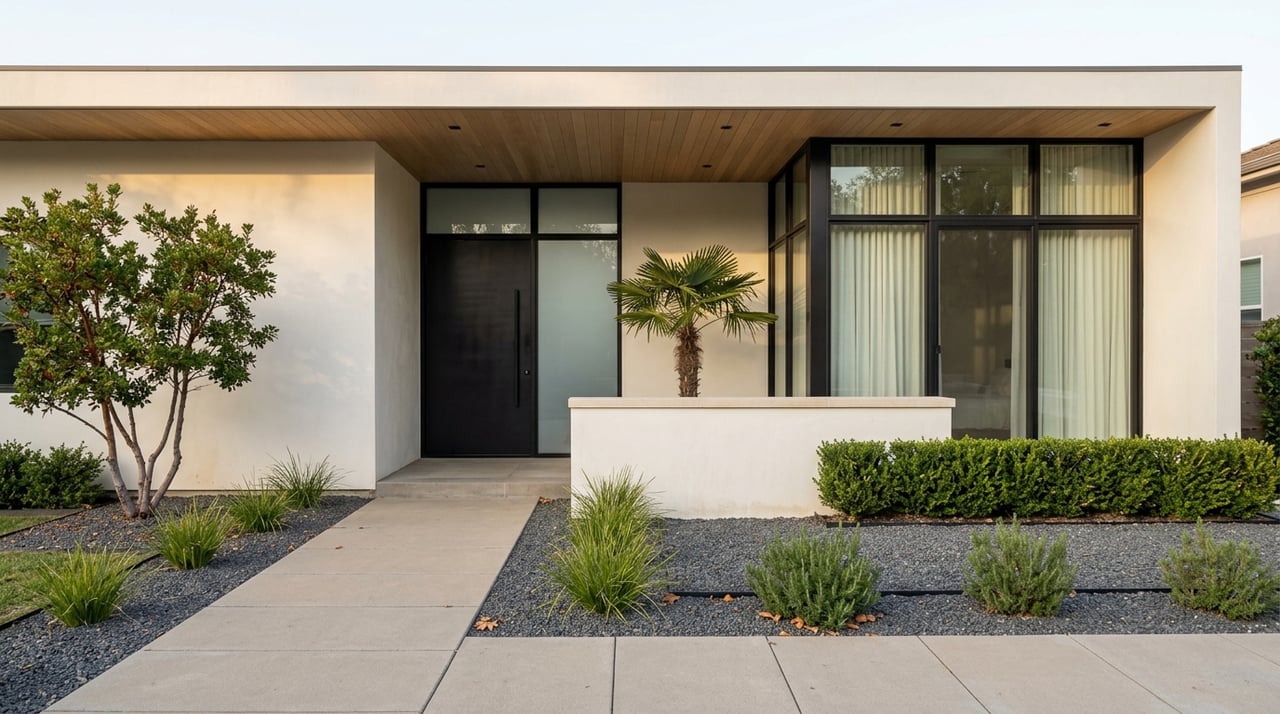
Cupertino’s housing stock is still dominated by single-family homes. A 2024 city housing-element draft says 69.36% of the city’s housing stock is single-family, which helps explain why many parts of Cupertino feel distinctly suburban.
If you picture quiet residential streets, detached homes, and established neighborhoods, that image still fits much of the city. At the same time, that is only part of the story.
City planning materials also show a broader housing mix that includes townhomes, duplexes, condominiums, apartments, and mixed-use development. So while single-family housing remains the majority, buyers and renters can find more than one lifestyle format depending on their goals and budget.
That range can be especially helpful if you are relocating and want flexibility. Some households prioritize a detached home, while others want a lower-maintenance townhome, condo, or apartment closer to shopping and commute routes.
Cupertino is an expensive housing market. Census QuickFacts reports a median owner-occupied home value of $2,000,000+ and a median gross rent of $3,500+ for 2020 to 2024.
Those numbers help set expectations. If you are considering a move here, it is important to plan for a market that often appeals to move-up buyers, tech transferees, and households seeking long-term ownership in a well-established Silicon Valley location.
For a West Valley suburb, Cupertino is relatively easy to navigate. The city says Cupertino is accessible from Interstate 280, State Route 85, Lawrence Expressway, and Foothill Expressway, which helps residents connect to neighboring job centers and communities across Santa Clara County.
That road access is a practical advantage if your work, family, or lifestyle takes you beyond city limits. It can make daily routines feel more manageable, especially when you need to move between multiple parts of the valley.
Cupertino is not only a car-based city. The city notes that VTA bus routes serve Cupertino, including routes 23 and express 323 at Main Street Cupertino.
For some residents, that adds useful flexibility for commuting or local trips. Even if you drive most of the time, it is helpful to know transit options are part of the transportation network.
If you travel often, Cupertino’s location works well. The city places Mineta San José International Airport about 10 miles away, San Francisco International Airport about 30 miles away, and Oakland International Airport about 40 miles away.
That level of airport access can be especially appealing for professionals with regular business travel or households with family in other regions or countries.
Cupertino tends to appeal to people who want a suburban setting with strong everyday convenience and close ties to Silicon Valley employment centers. It can be a good fit if you value a residential feel but still want access to dining, shopping, major roads, and a well-used parks system.
It may also stand out to buyers and renters who appreciate an international community and a housing market with both established single-family neighborhoods and a growing mix of attached housing options. In short, Cupertino often attracts people looking for stability, convenience, and a connected Silicon Valley lifestyle.
If you are weighing a move to Cupertino, the key is understanding how the city’s housing options, location, and daily rhythm line up with your priorities. If you want help comparing neighborhoods, planning a relocation, or preparing to buy or sell in Santa Clara County, Chalet Kerr offers thoughtful, hands-on guidance tailored to your goals.
Stay up to date on the latest real estate trends.





Real estate isn’t just about property — it’s about people. Chalet takes the time to understand your story and guide you home with warmth and integrity.

CHALET KERR | CA DRE# 01975585
750 University Ave Ste 150 Los Gatos, CA 95032